Voita Electronic
Voita Electronic
Voita Electronic
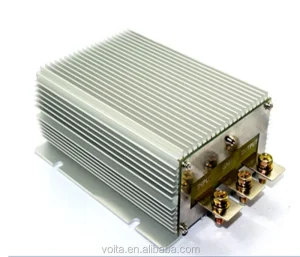
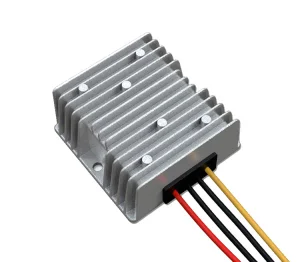
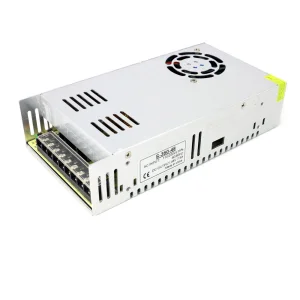
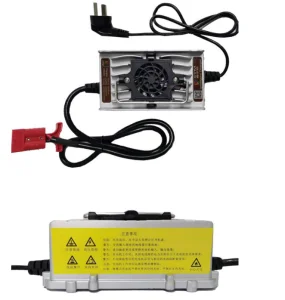
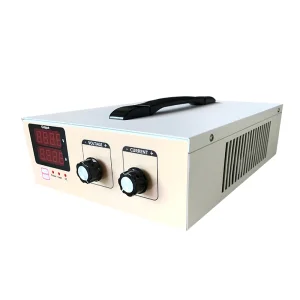
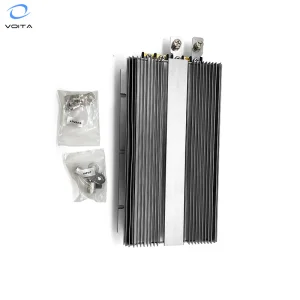
Explore our standard and high-performance DC-DC power converters and industrial charging systems.
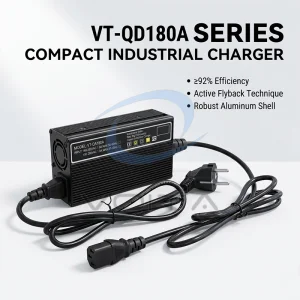
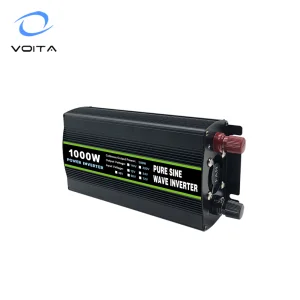
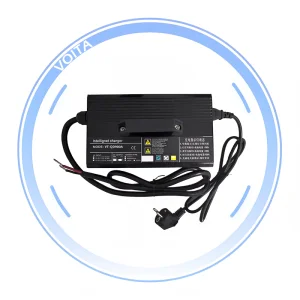
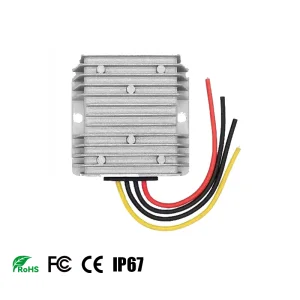
As the international industry shifts rapidly toward full-scale electrification, standard conductive charging interfaces are meeting substantial constraints. From smart manufacturing floors to urban micromobility stations, the requirements for reliable power delivery systems have evolved. Fleet operators require power sources that eliminate physical wear and tear, operate cleanly in hostile environments, and offer flexible deployments. The rise of unmanned system architectures—such as Automated Guided Vehicles (AGVs) and Autonomous Mobile Robots (AMRs) in multi-tier fulfillment warehouses—has accelerated the demand for high-efficiency wireless and automated charging stations.
Globally, industrial wireless power solutions have moved from experimental laboratory concepts to key capital assets. Traditional physical plugs present risks of electric arcing in explosive chemical environments, dust infiltration in agricultural setups, and failure due to regular mechanical stress. Our research and development focuses on mitigating these challenges. By incorporating advanced electromagnetic designs, we assist OEMs and global infrastructure integrators in deploying charging networks that deliver continuous uptime, minimal human dependency, and optimal safety metrics.
To optimize efficiency at scale, modern power solutions must employ precise circuit configurations. The technical roadmap for industrial wireless charging stations centers on two dominant methodologies: closely-coupled magnetic induction and highly resonant magnetic coupling. Both systems rely on Faraday's Law of Induction, but they are engineered for distinct operating conditions.
Inductive configurations require strict spatial alignment, operating over compact air gaps (typically 2mm to 20mm). Because the magnetic flux lines are tightly bound between the transmitter and receiver coils, efficiency remains elevated—regularly exceeding 93% at the converter output level. These setups utilize advanced planar coil geometries and high-permeability ferrite sheets to control flux dissipation, minimizing Electromagnetic Interference (EMI) to neighboring circuits.
For applications where precise spatial alignment is not feasible, such as outdoor electric scooter terminals or multi-directional AGV docks, resonant topologies are preferred. By tuning the transmitter and receiver LC circuits to identical high-frequency resonance bands (typically 85 kHz in compliance with SAE J2954 standards), power transfer is achieved across wider air gaps and angular misalignments. The engineering focus here shifts to maintaining a stable quality factor (Q-factor) and controlling dynamic impedence matching under variable load conditions.
Managing heat generation is critical for enclosed high-power designs. Modern wireless docks employ Gallium Nitride (GaN) and Silicon Carbide (SiC) switching devices in their primary inverter stages. The lower switching losses of GaN transistors allow operating frequencies to rise into the megahertz range. This enables smaller overall system enclosures while keeping thermal generation low. Additionally, potting compounds with high thermal conductivity are used to distribute internal heat to heavy-duty aluminum heatsinks, ensuring long-term operational stability.
Industrial power requirements vary greatly across different applications. At Shenzhen Voita Electronic Technology Co., Ltd. (VOITA), our engineering division addresses these distinctions by customizing systems to specific mechanical, environmental, and electrical parameters.
In high-throughput logistics depots, every minute of manual charging reduces efficiency. Automated docks installed directly into floors allow AGVs and AMRs to utilize "opportunity charging" during brief pauses in operation. This maintains battery charge levels throughout the day without human intervention, maximizing fleet utility.
Electric scooters, shared e-bikes, and last-mile delivery vehicles require weather-resistant charging infrastructure. Enclosed wireless receivers protect systems from rain, dust, and physical vandalism, ensuring reliable service in public spaces.
Saltwater spray and high humidity quickly corrode standard copper charging connectors. Using fully sealed IP67/IP68 wireless power units eliminates exposed metal parts, preventing short circuits and corrosion in maritime and coastal applications.
Shenzhen Voita Electronic Technology Co., Ltd. (established in 2015) operates in the heart of China’s advanced electronics manufacturing ecosystem. Our South China production facilities leverage deep integration with regional component markets to maintain consistent manufacturing cycles, even during global supply chain fluctuations.
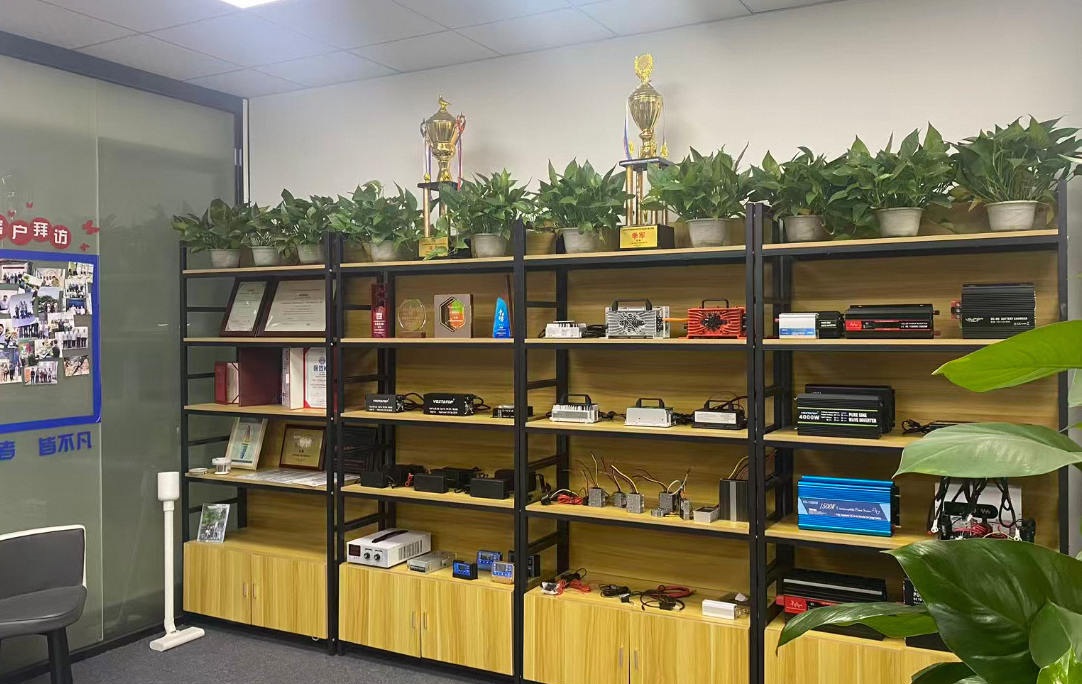
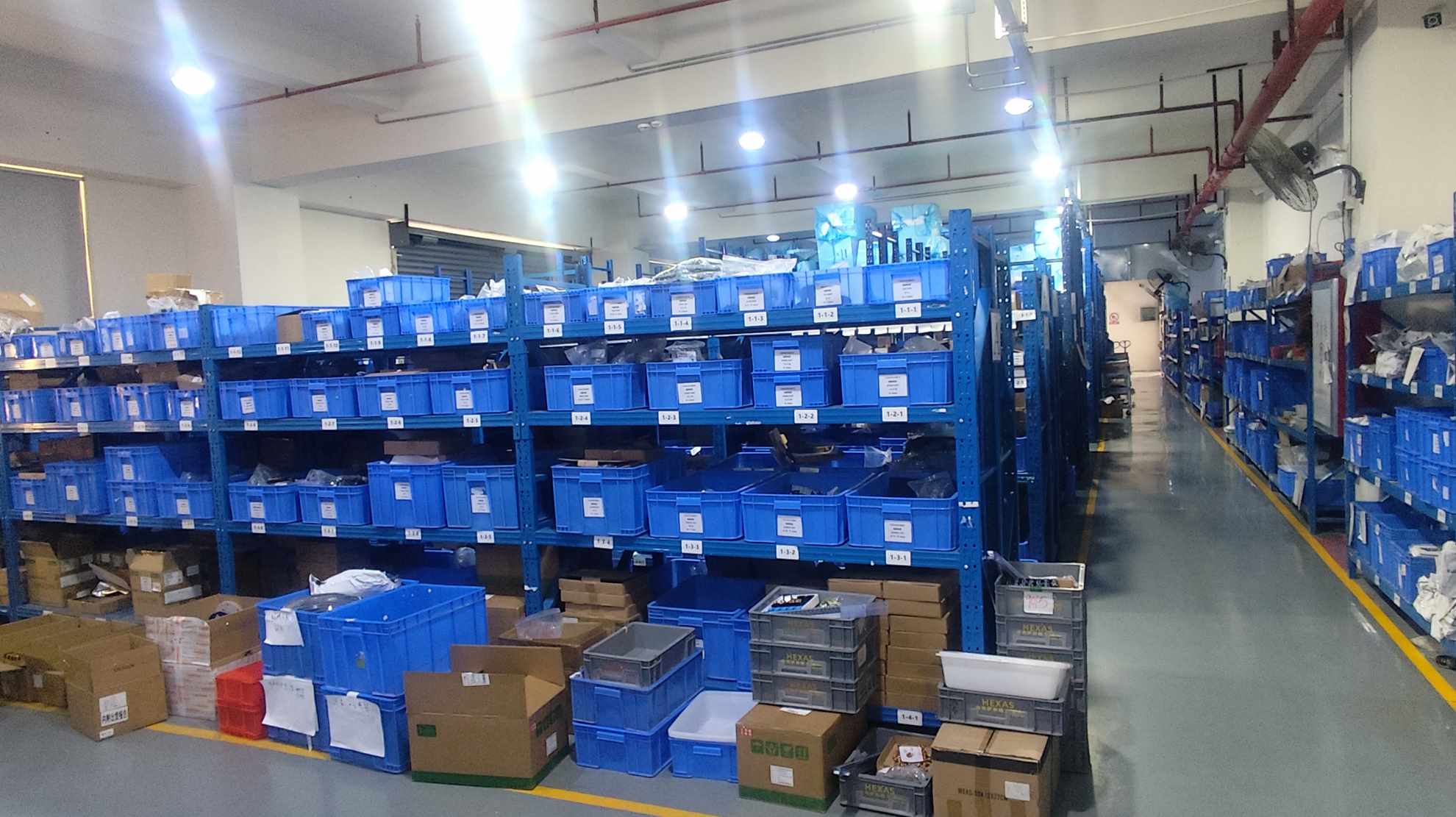
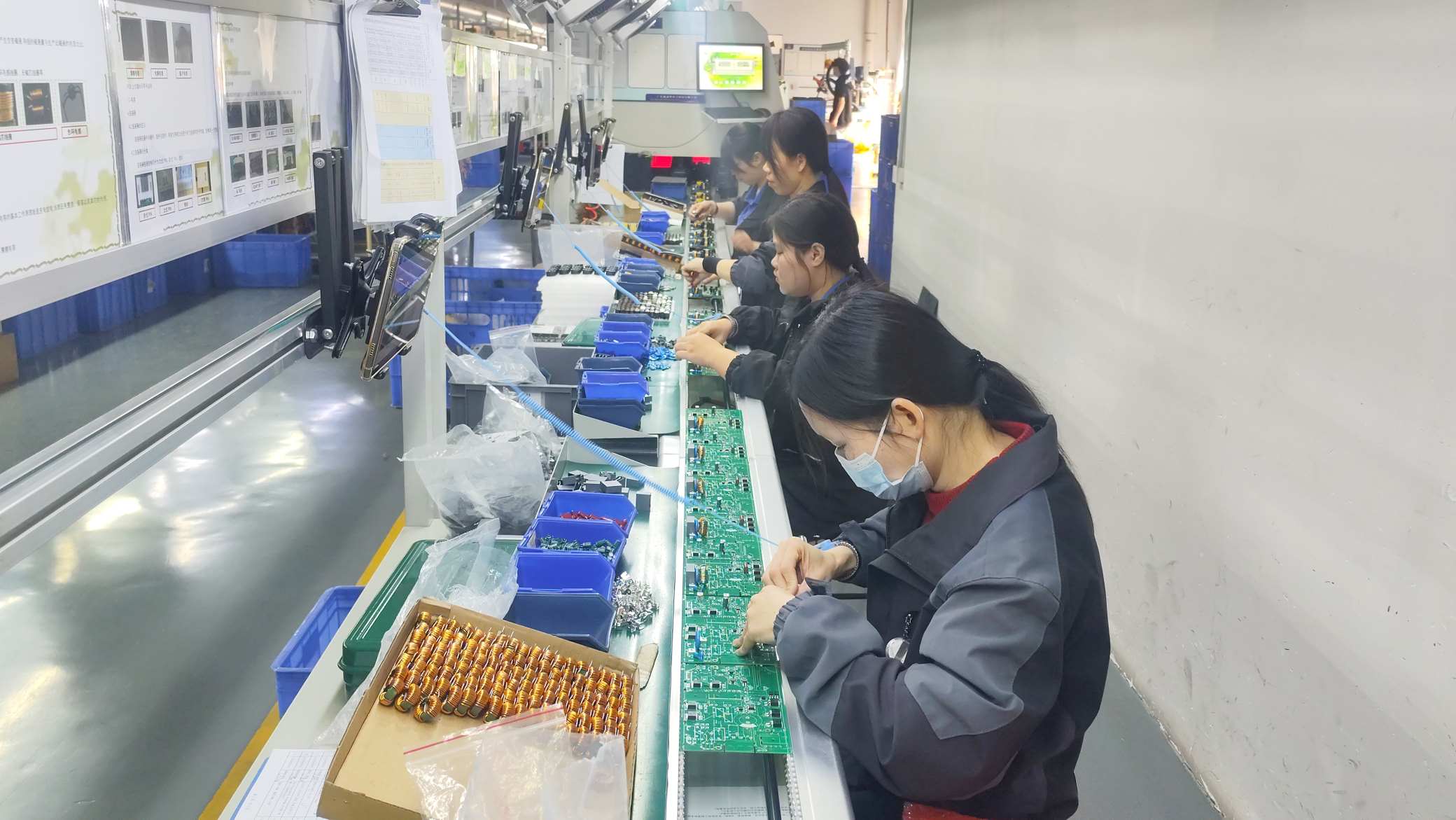
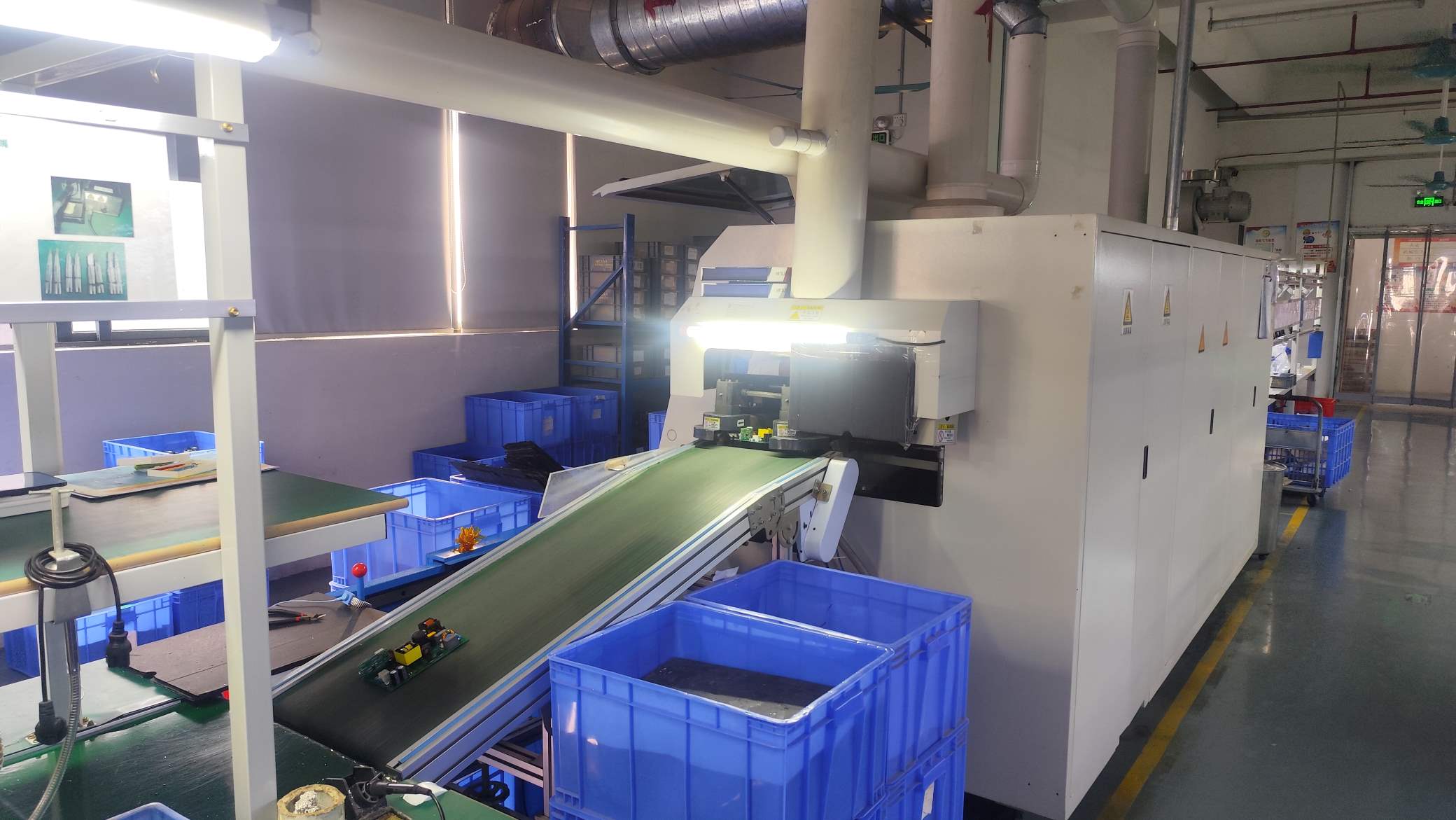
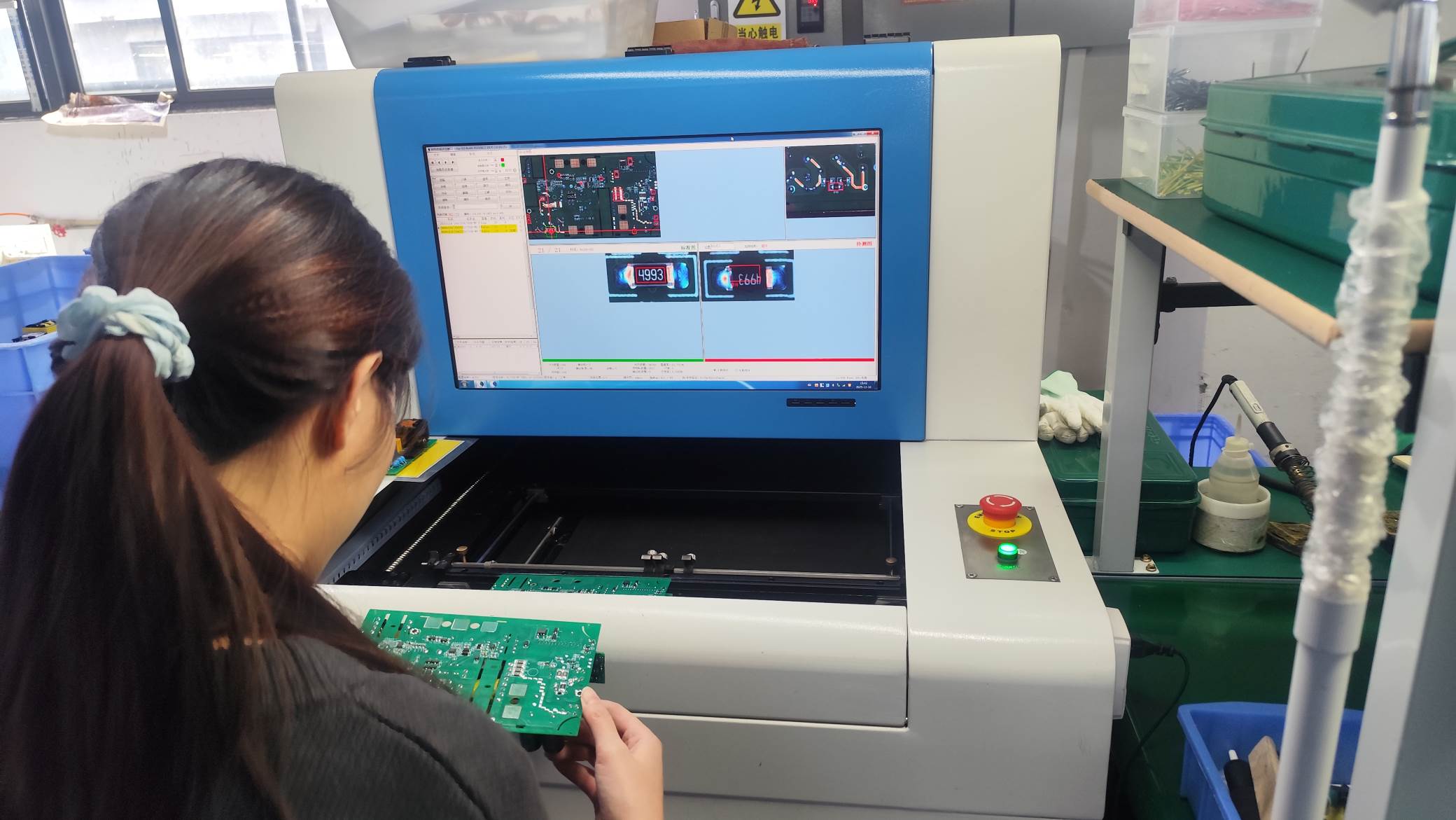
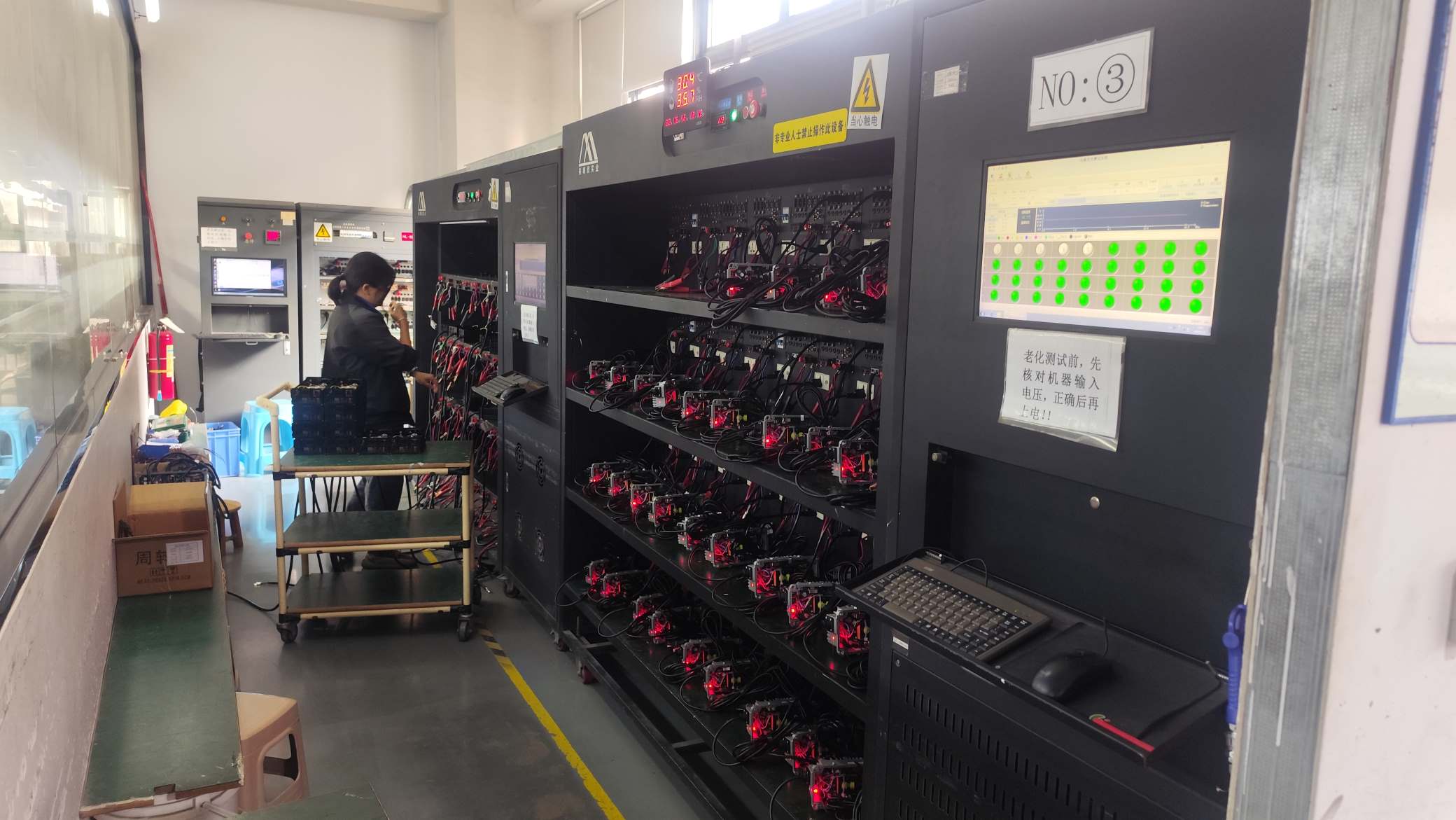
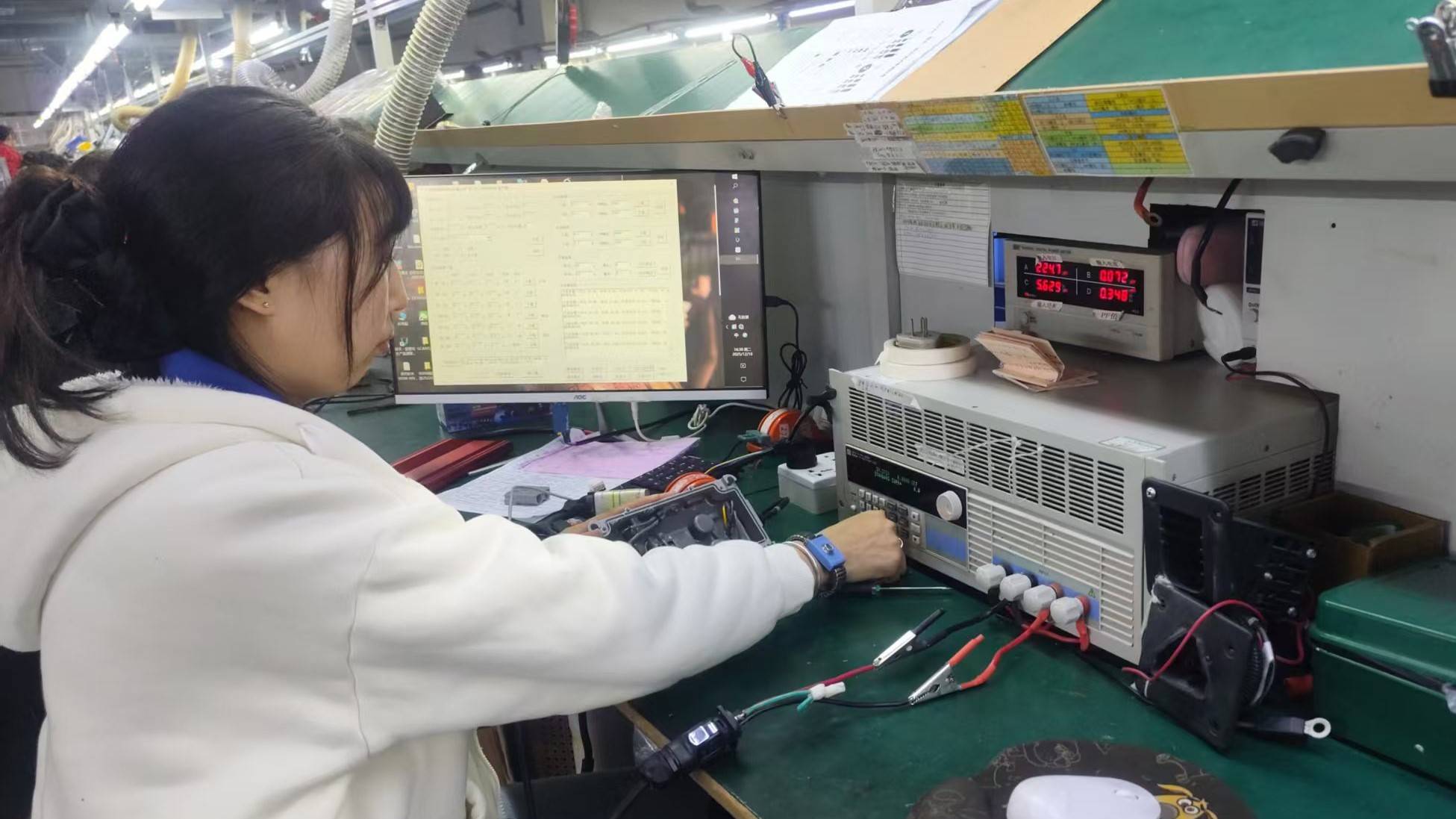
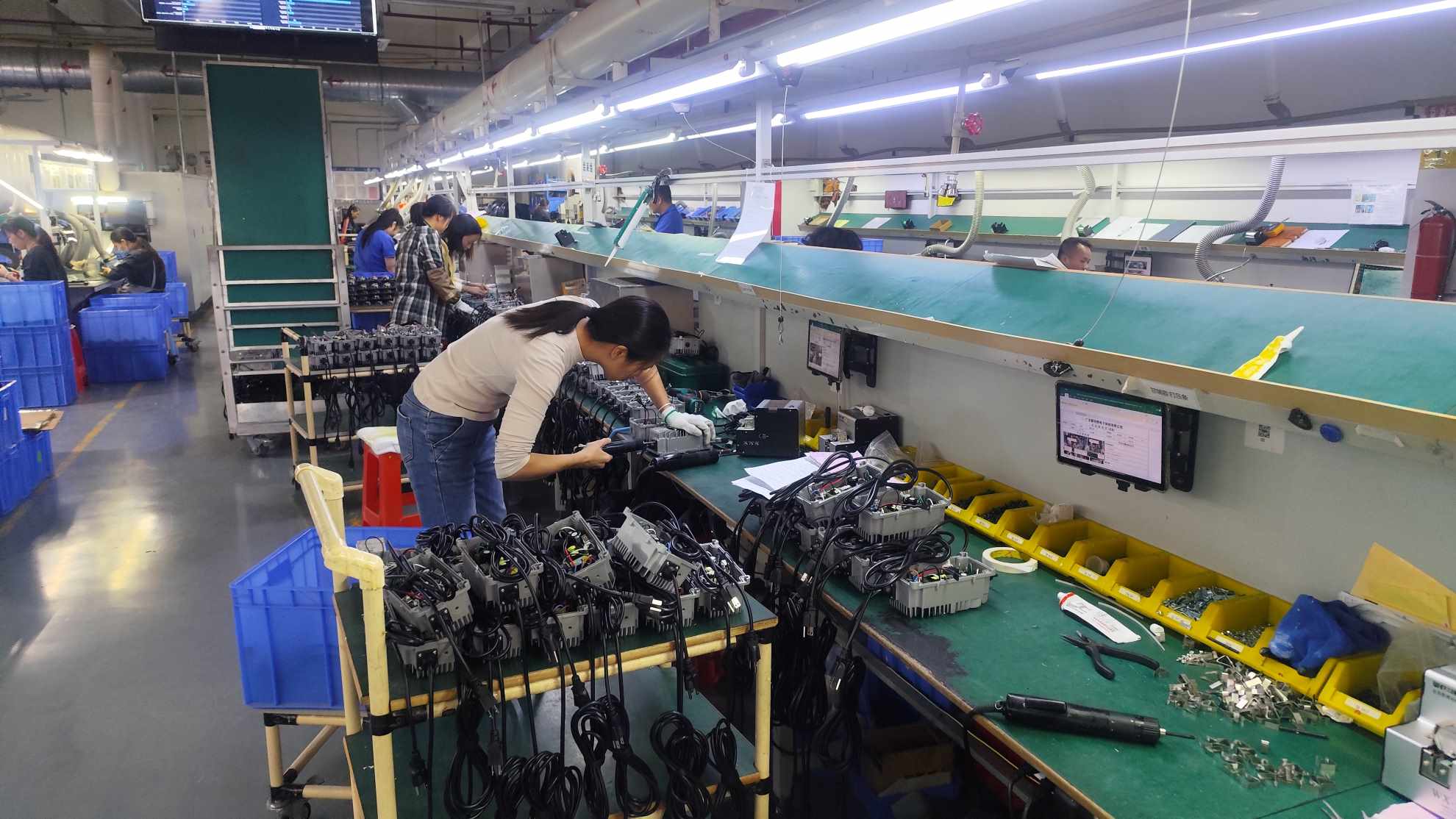
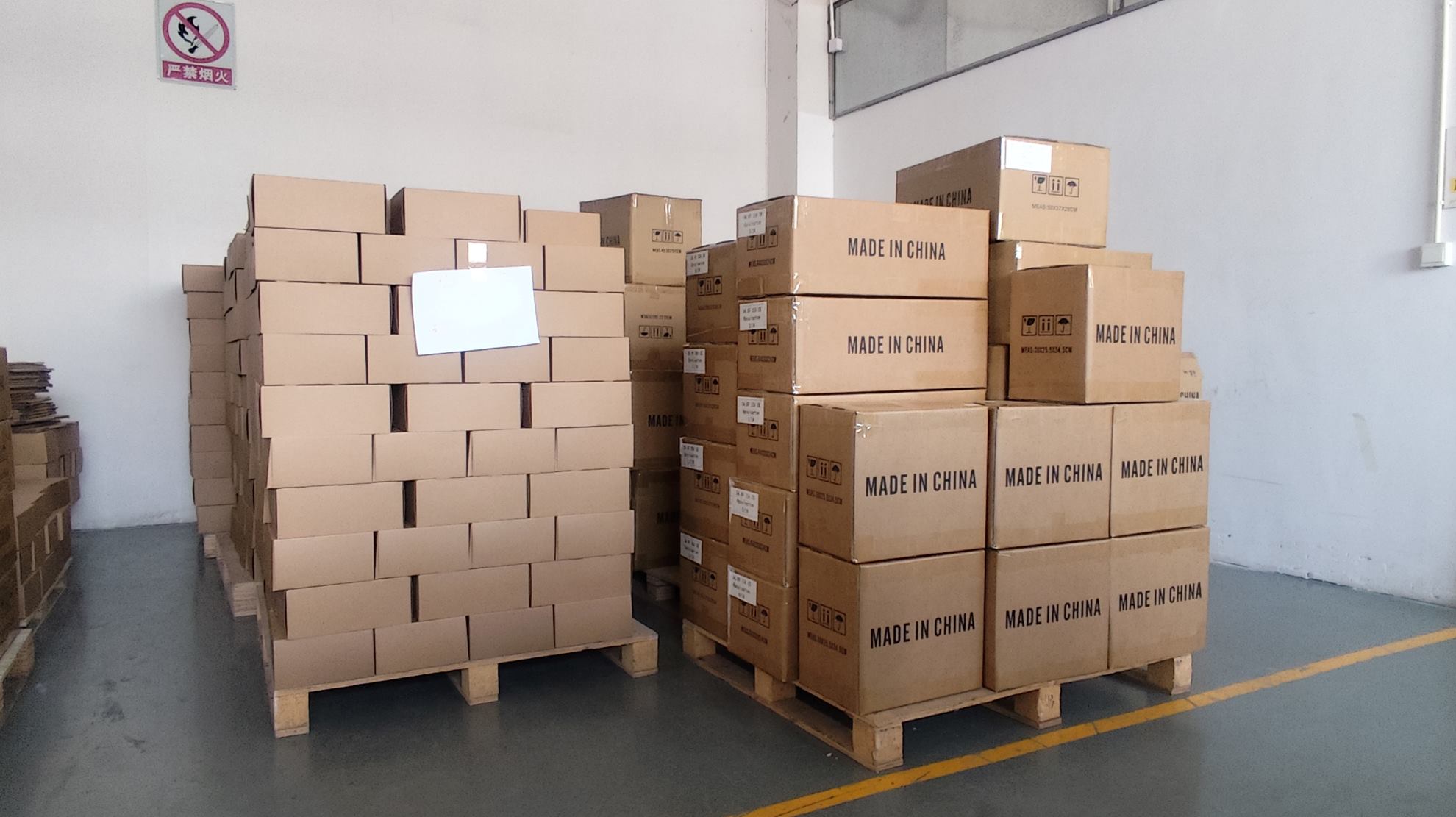
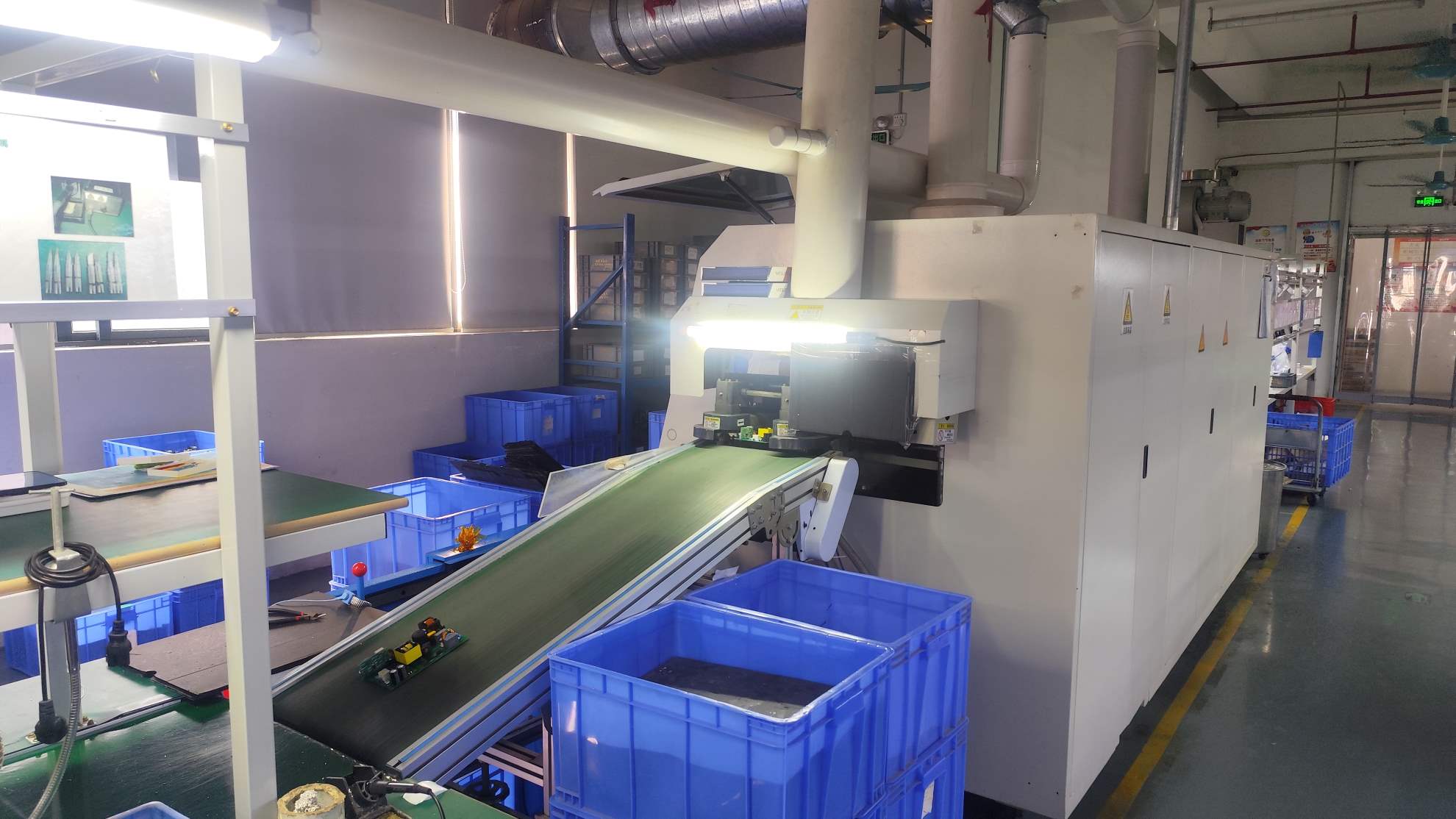
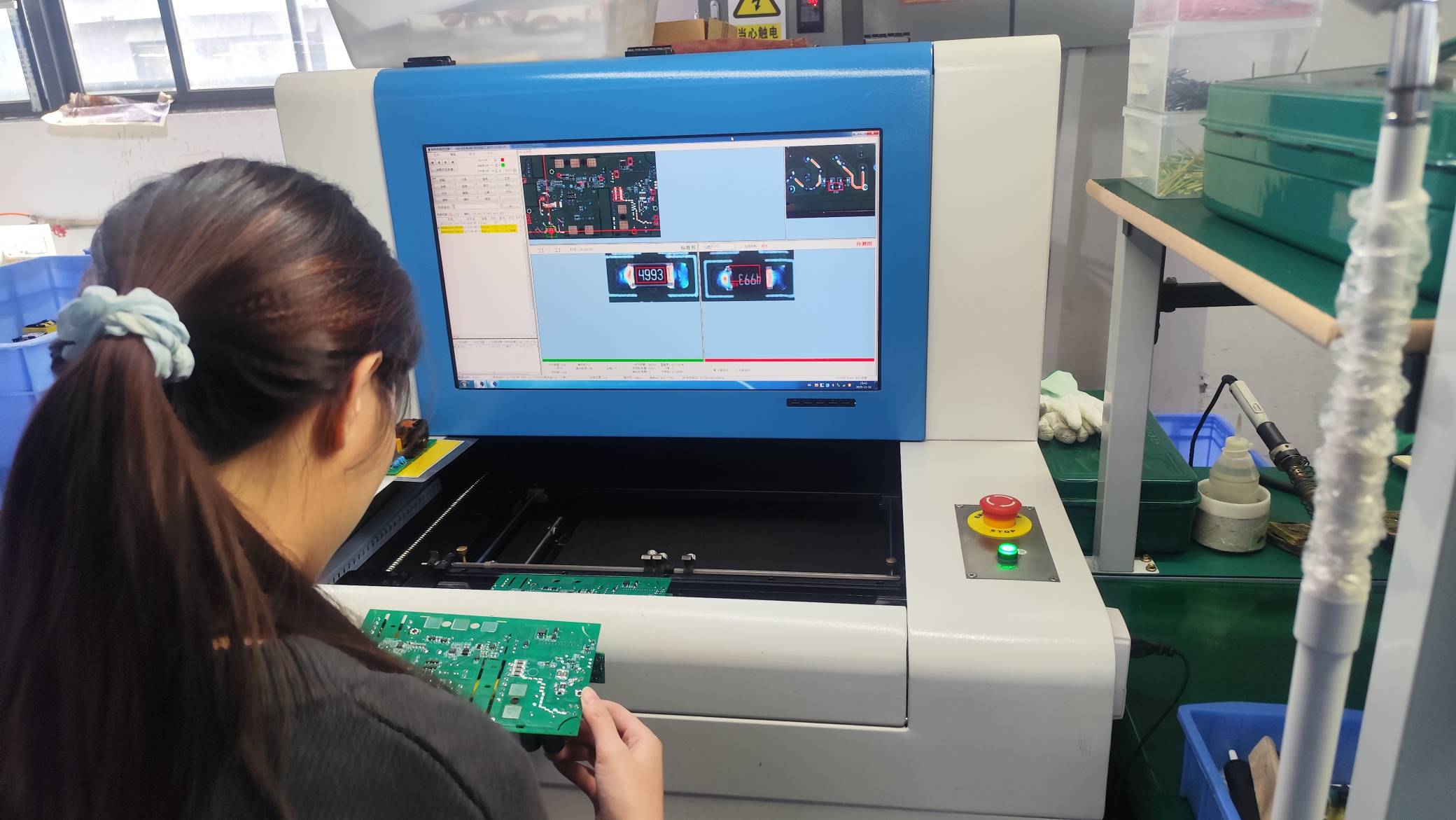
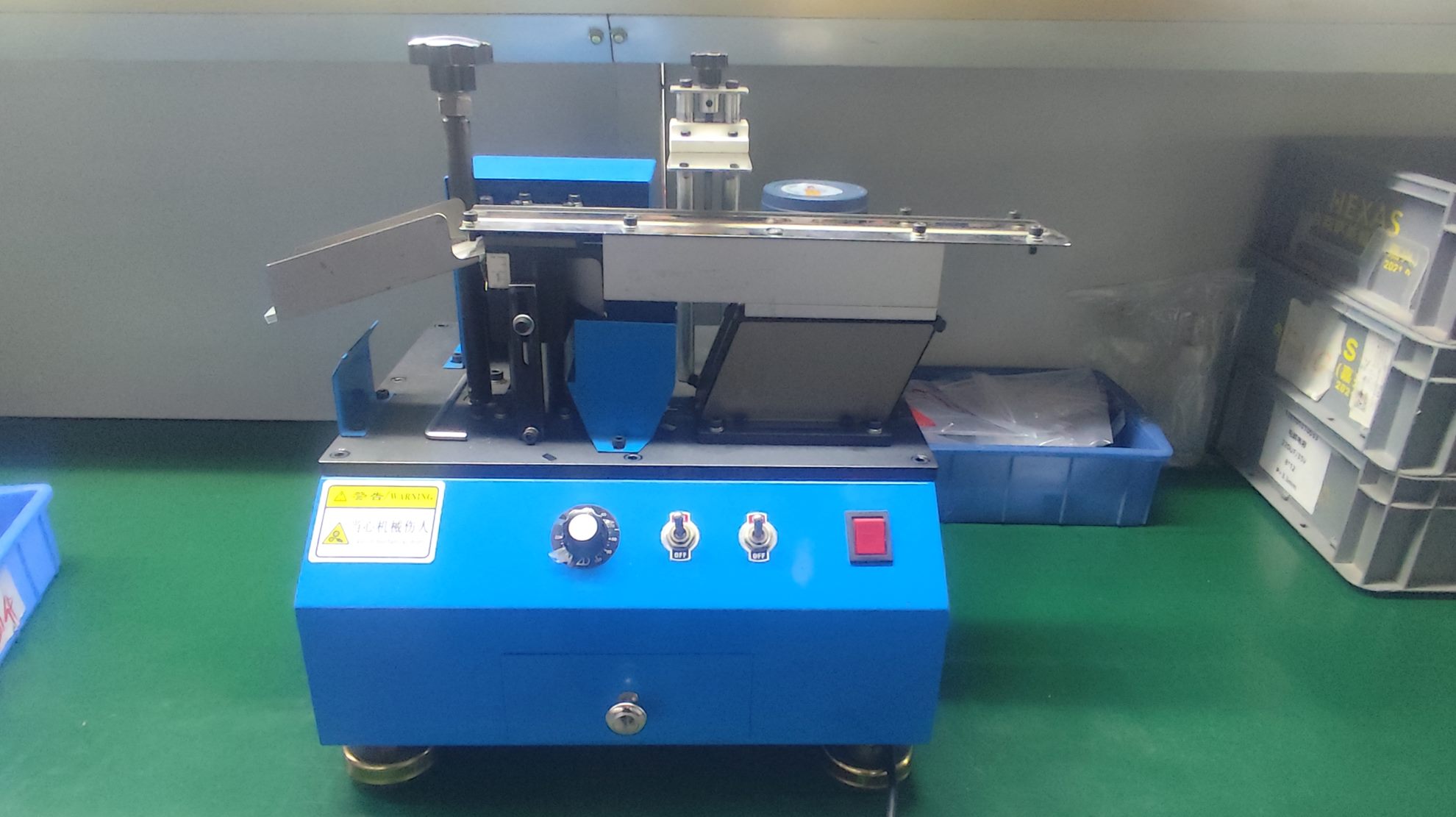
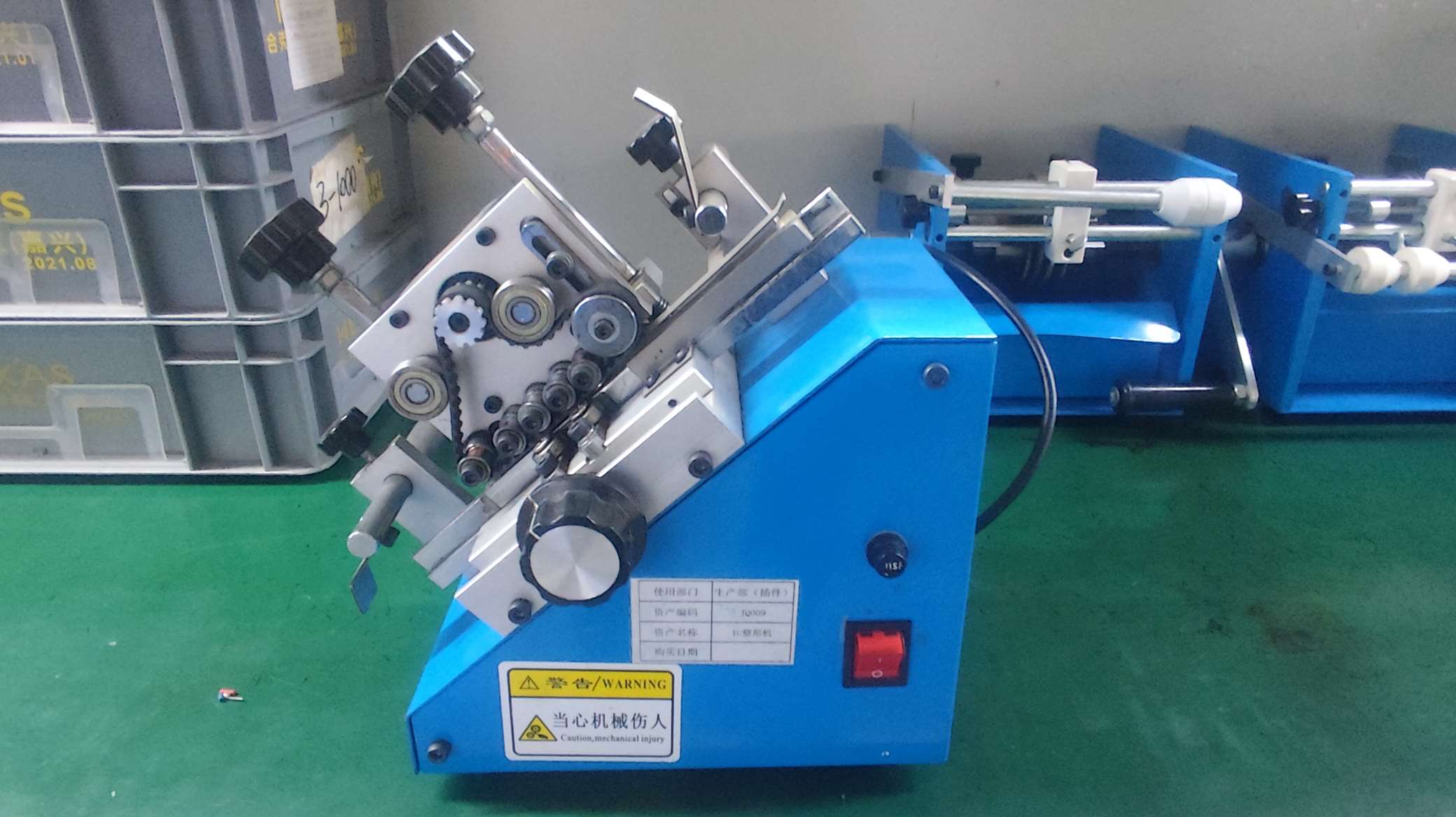
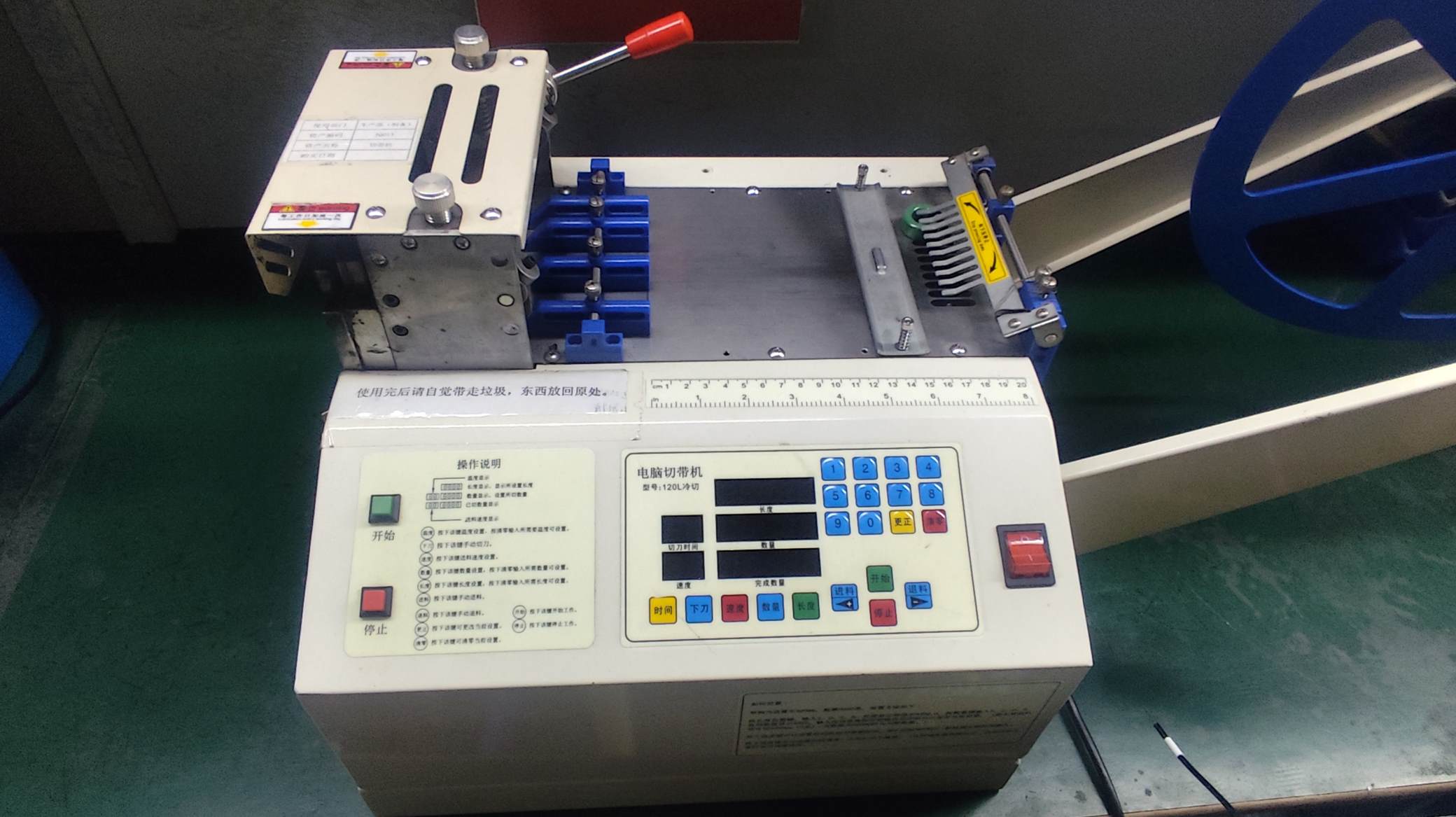
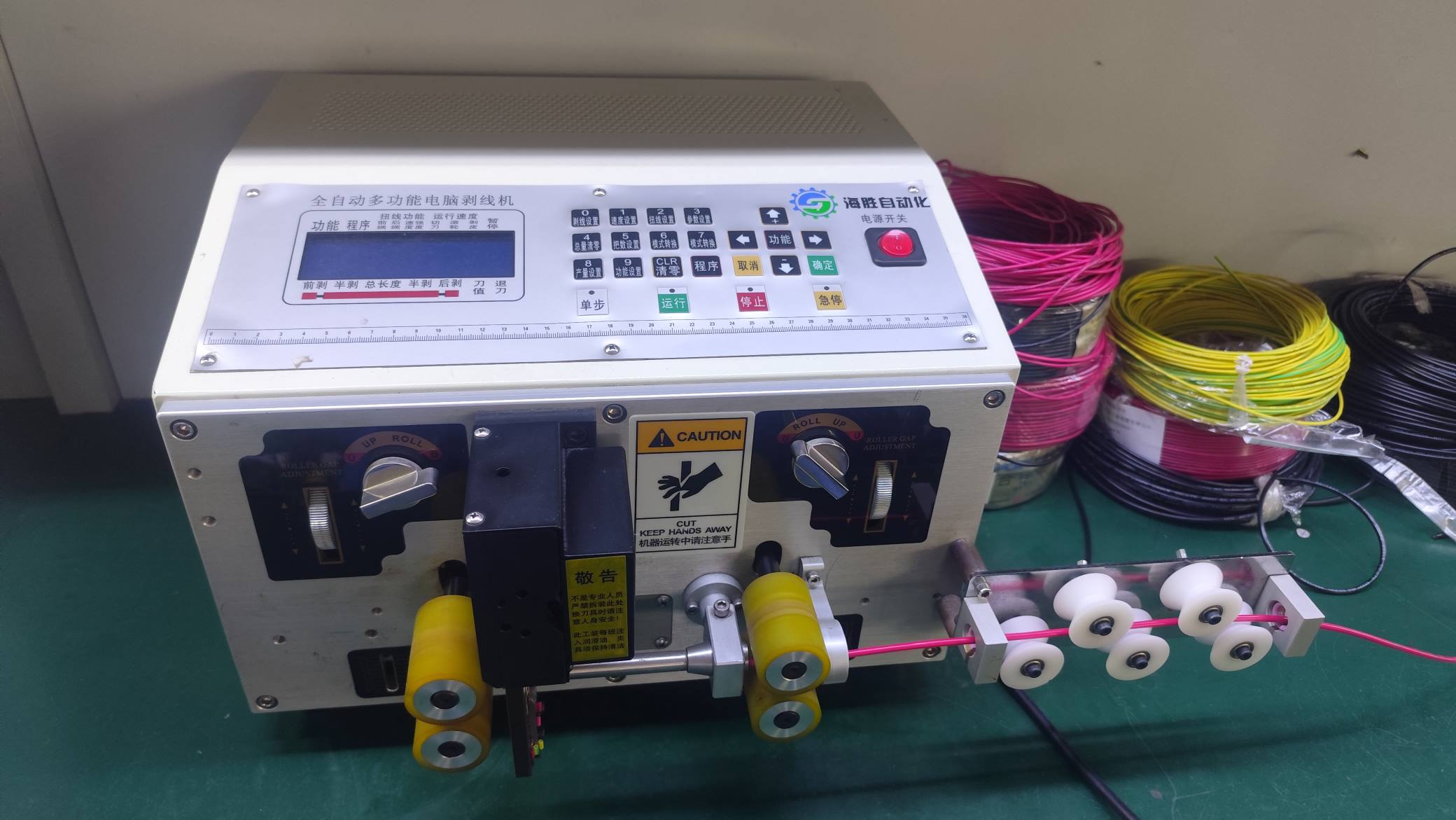
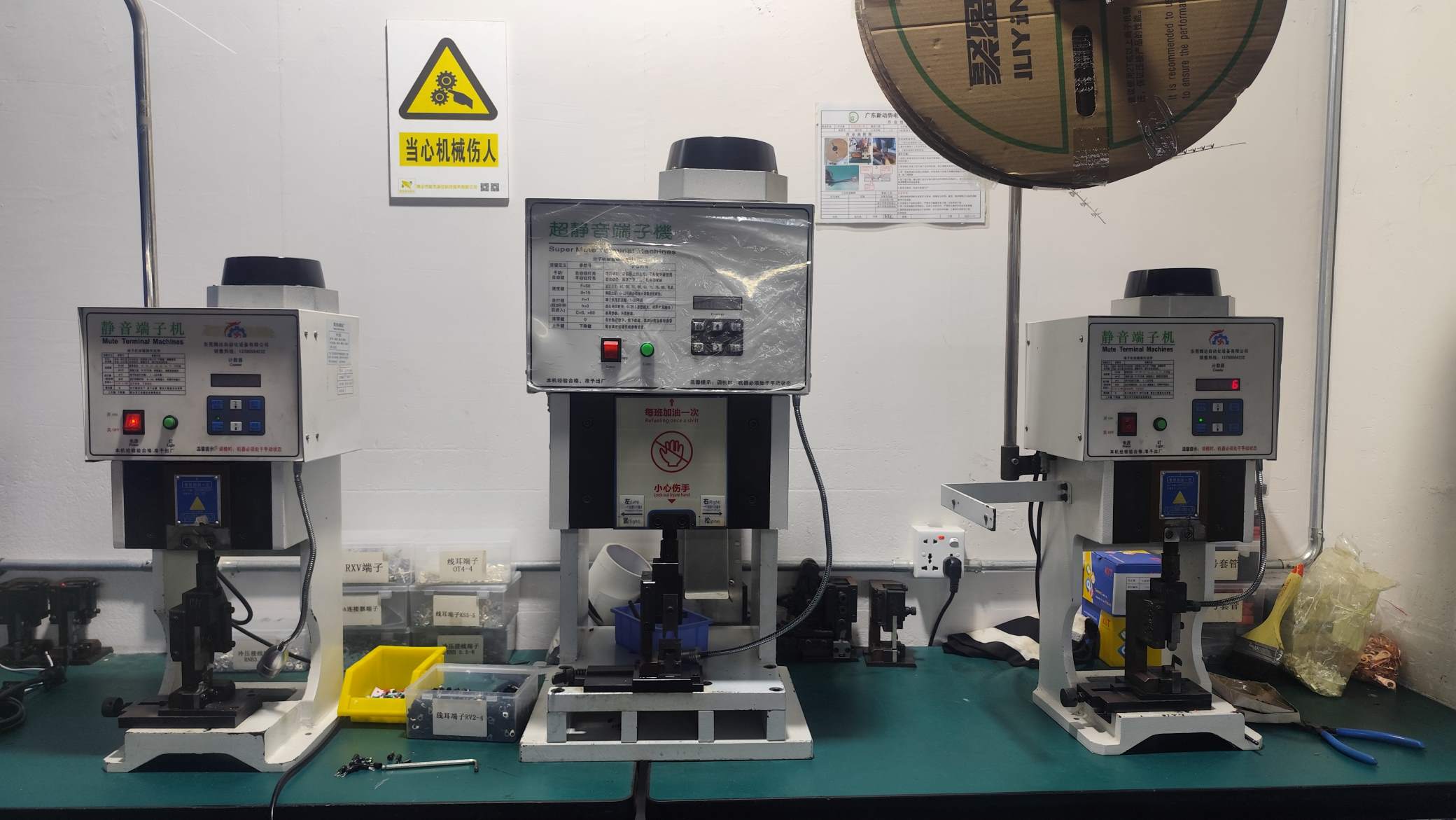
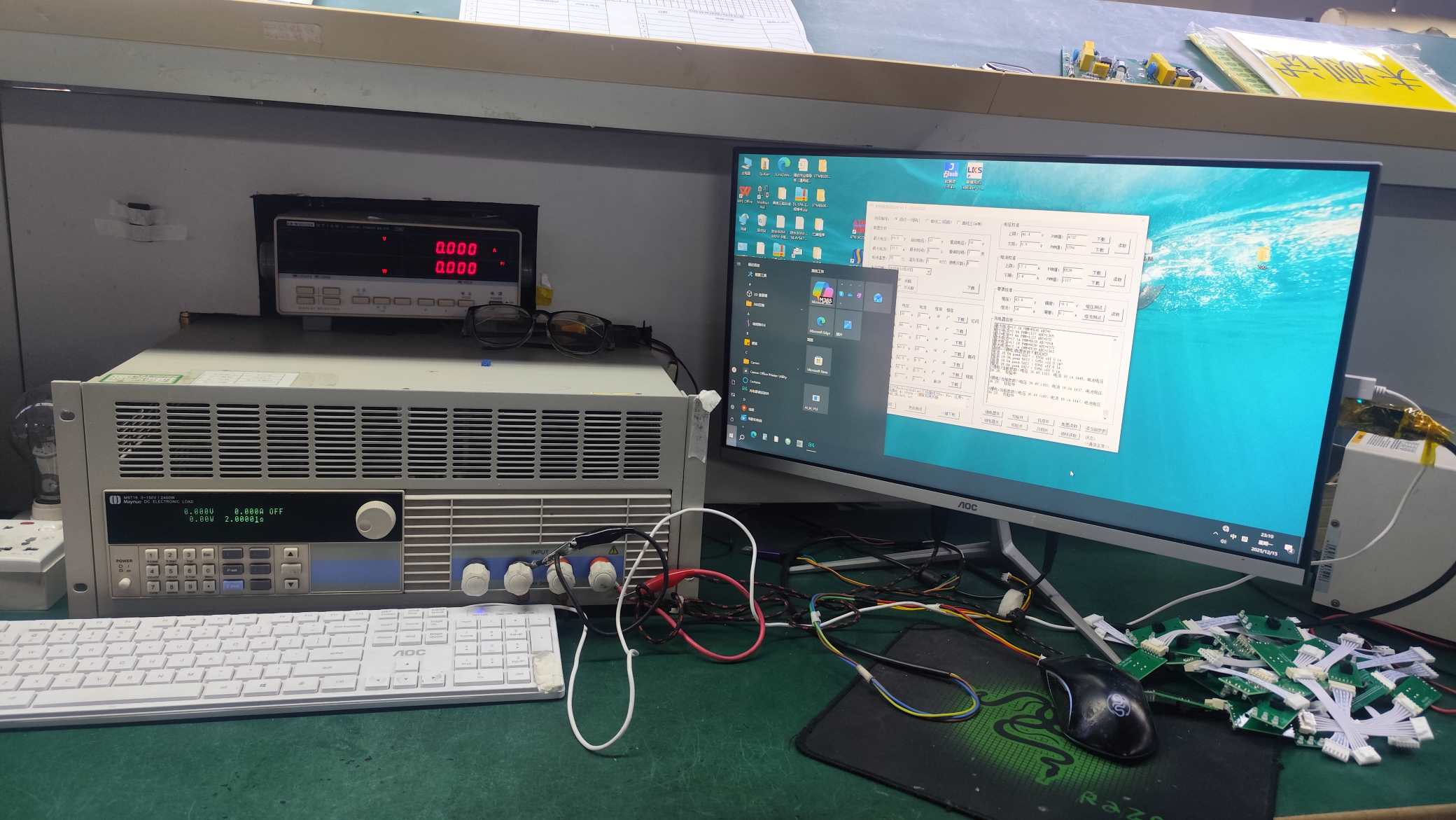
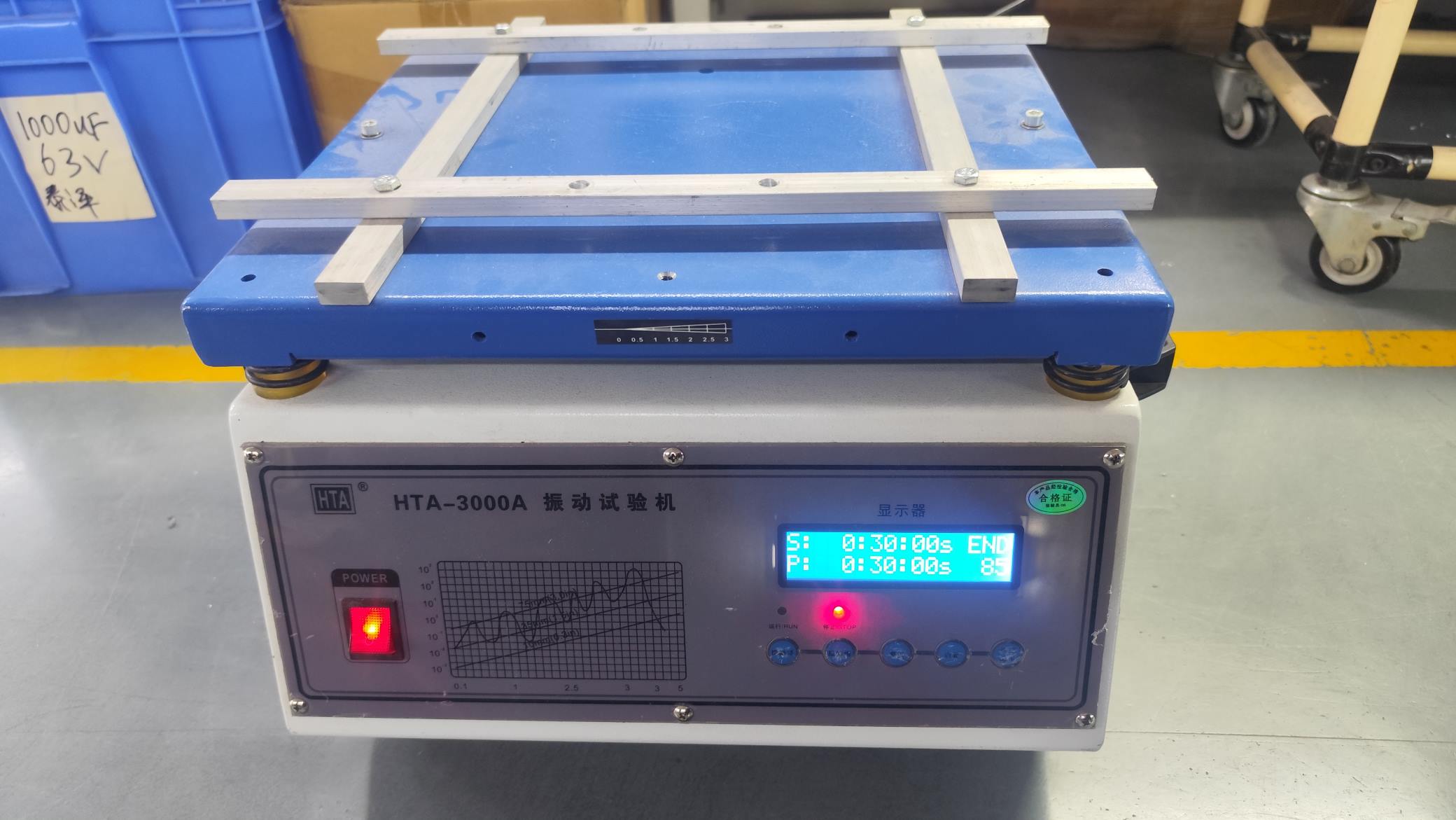
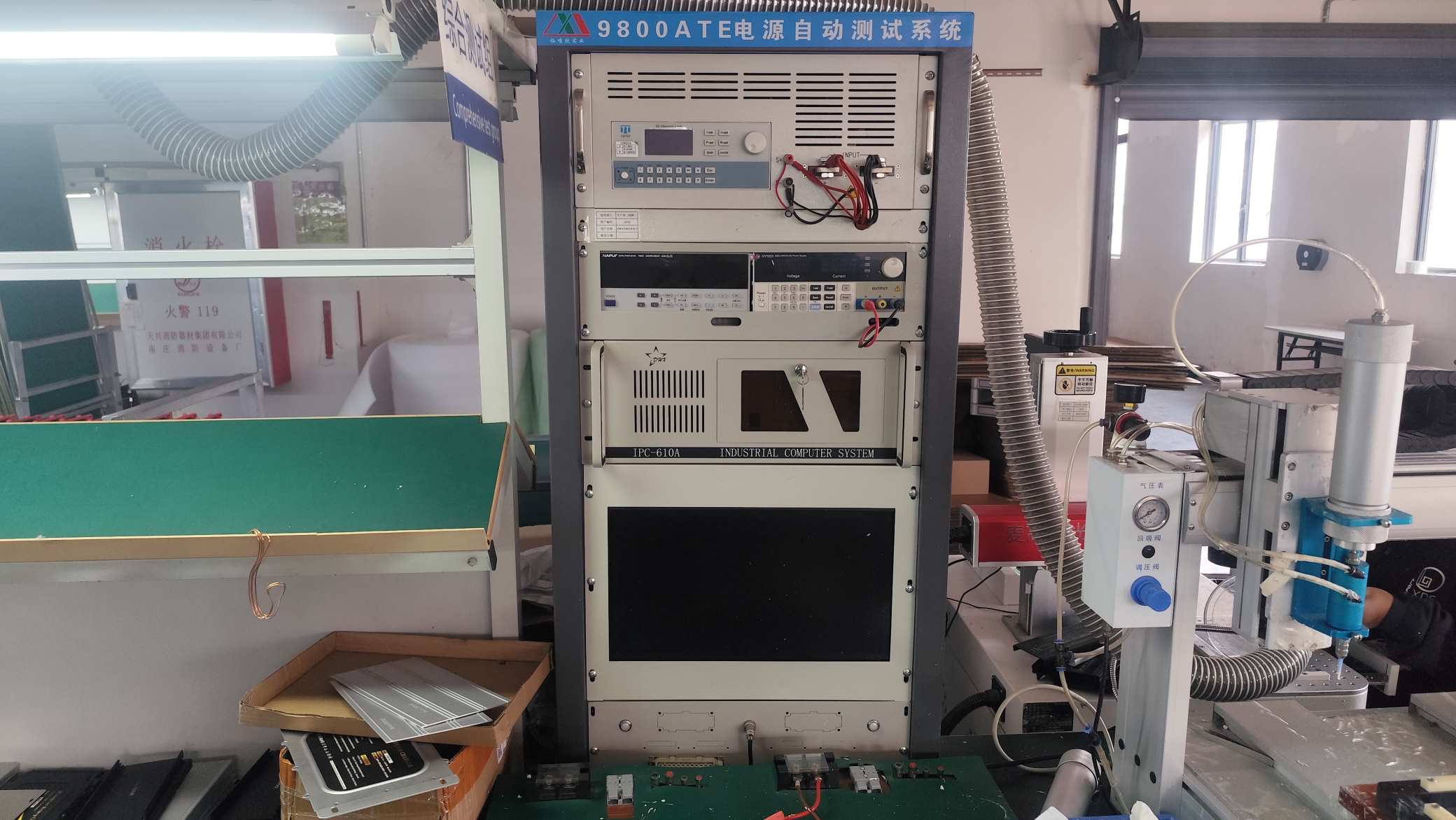
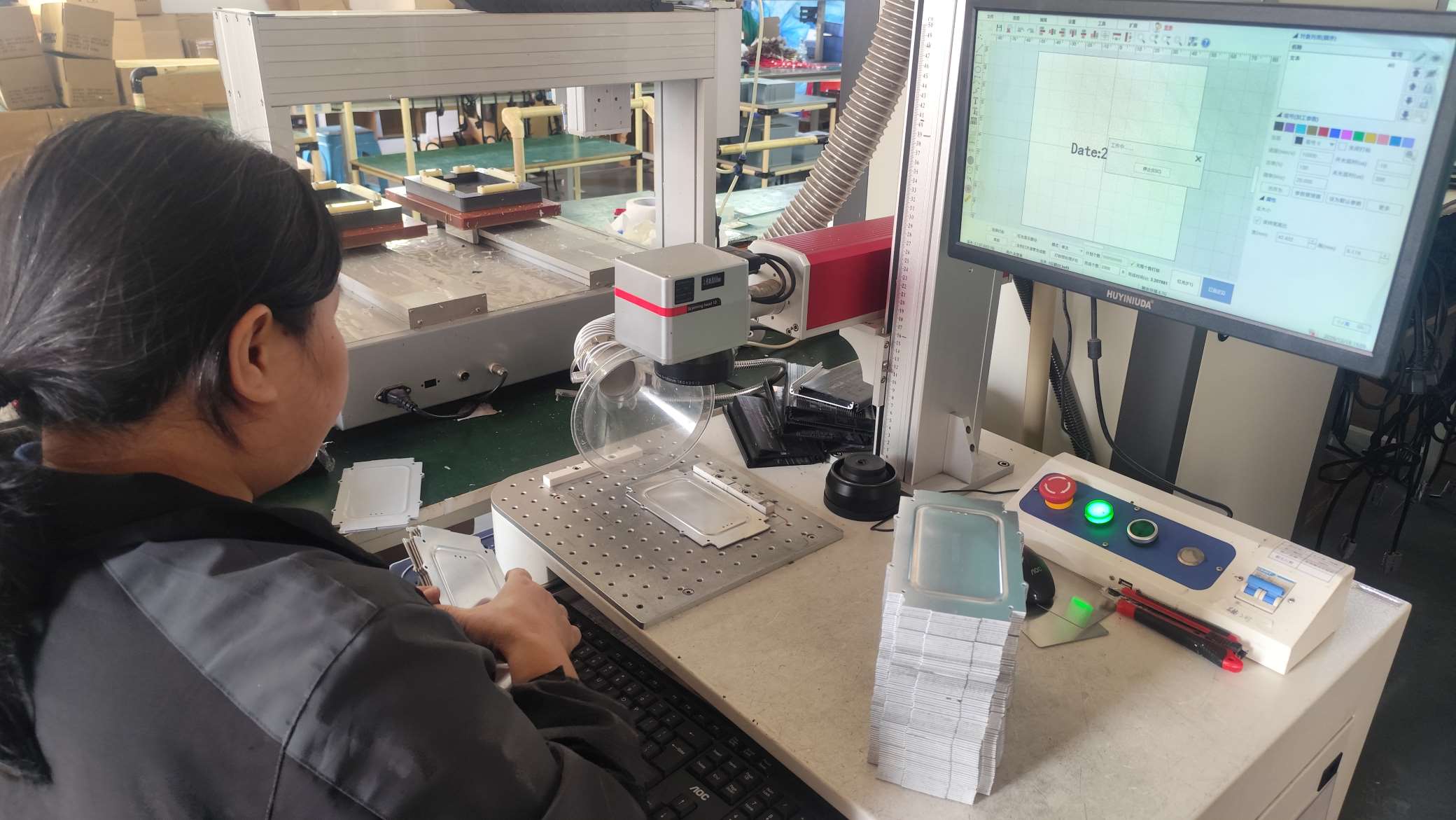
Our facility runs automated assembly lines, high-speed pick-and-place systems, and comprehensive quality control processes. This vertical integration allows us to quickly transition from initial customer specifications to functional prototypes, and finally to full-scale production. Below is a detailed view of our standard manufacturing, verification, and testing processes:


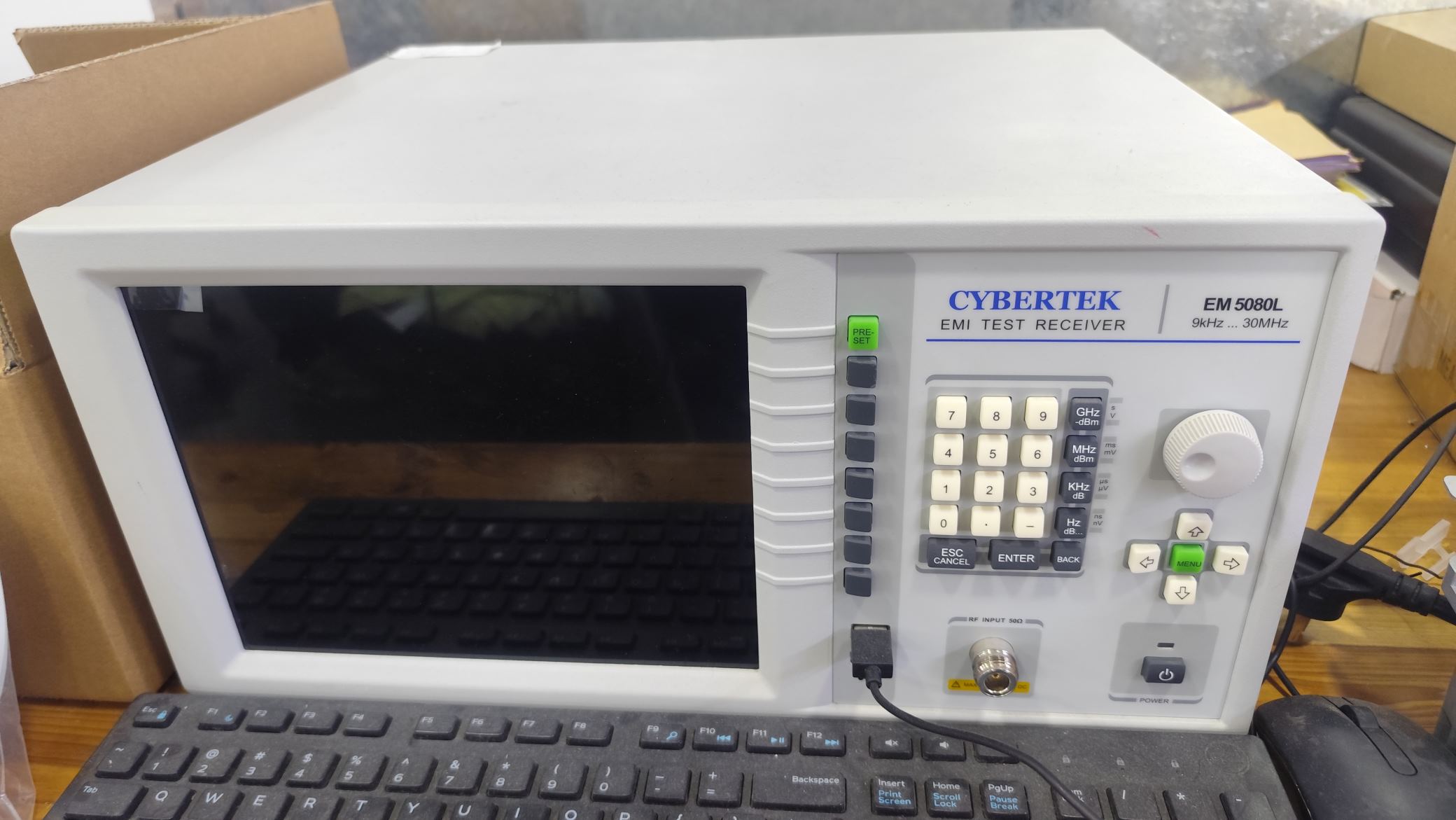
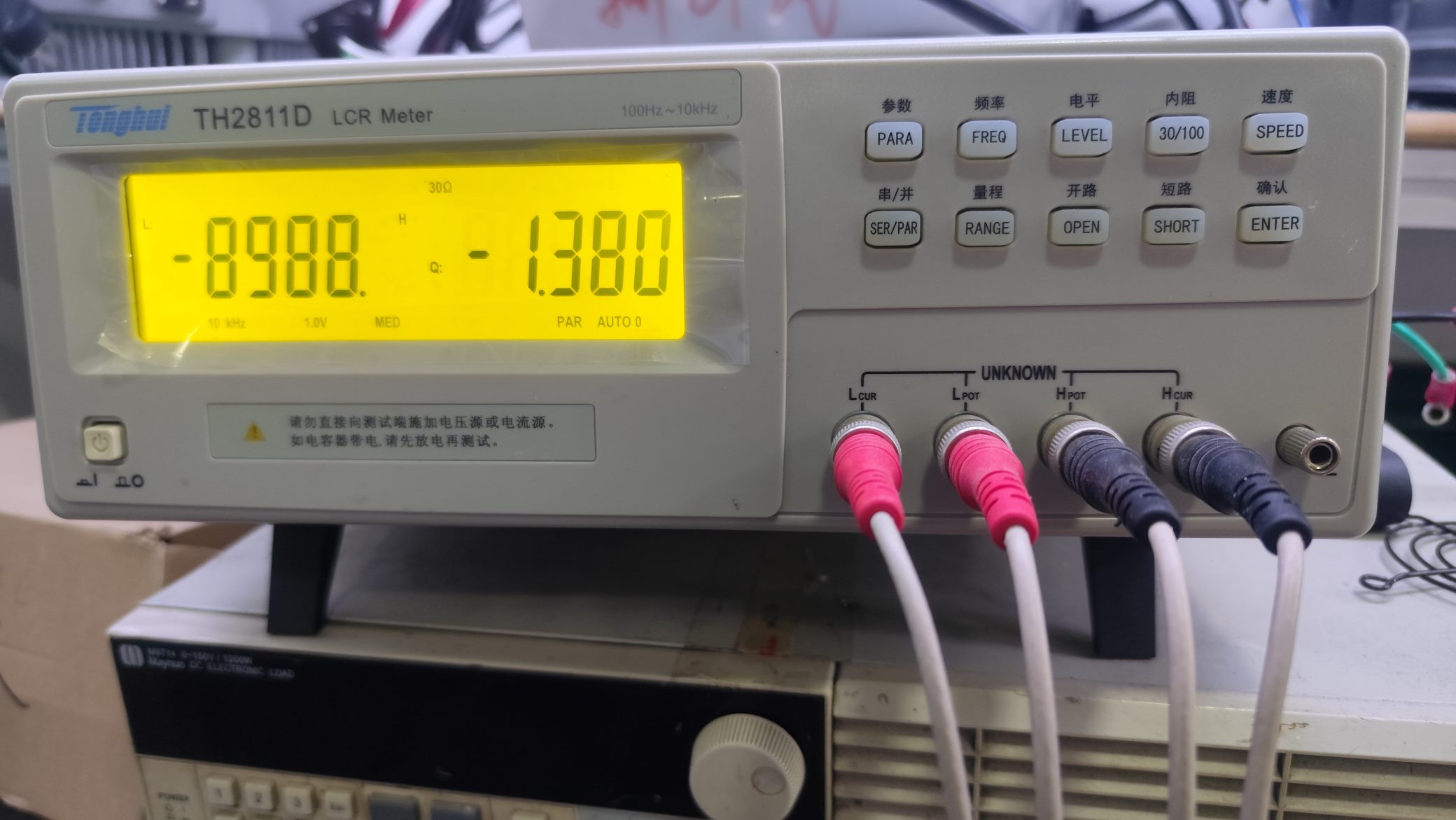
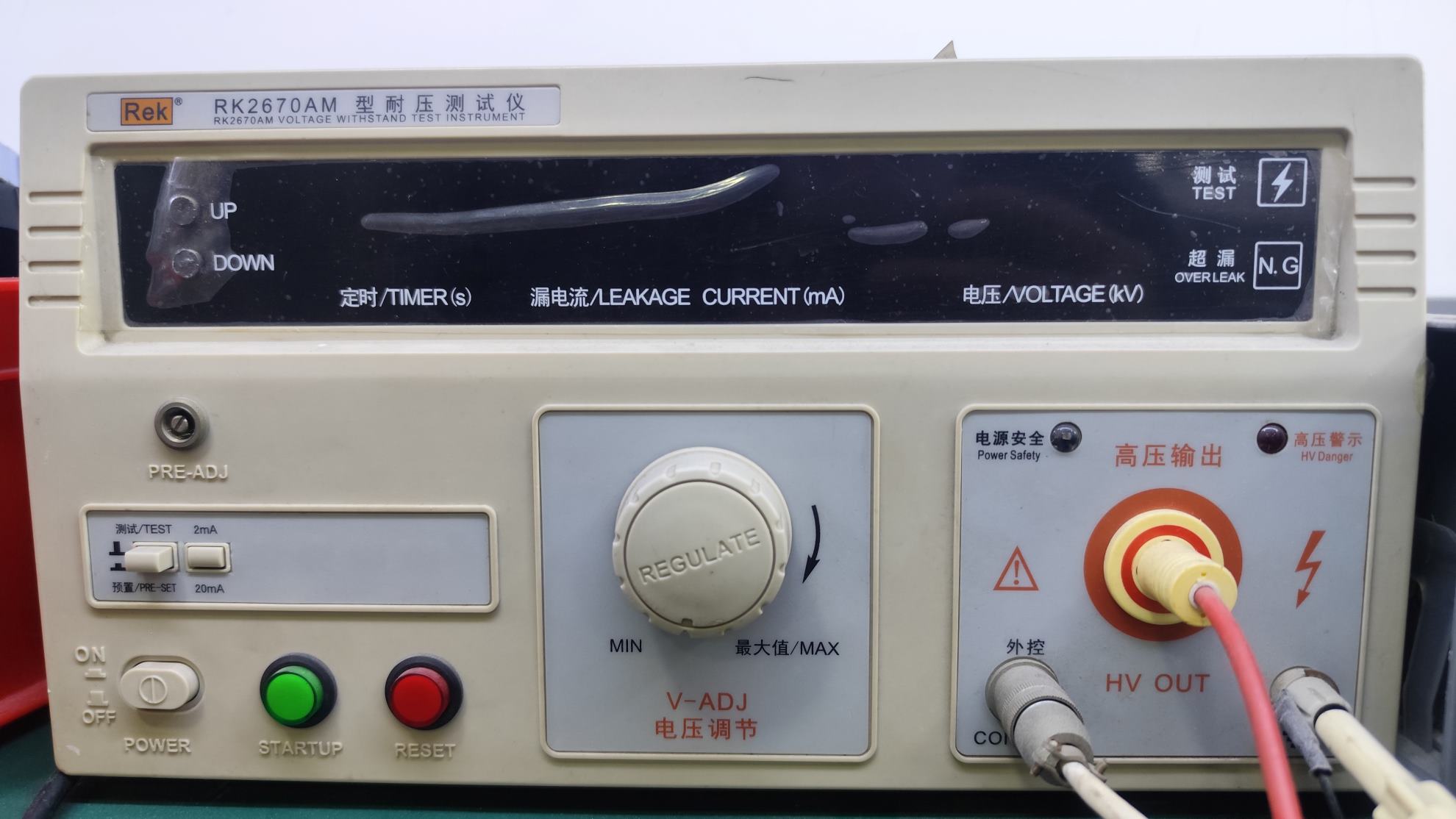
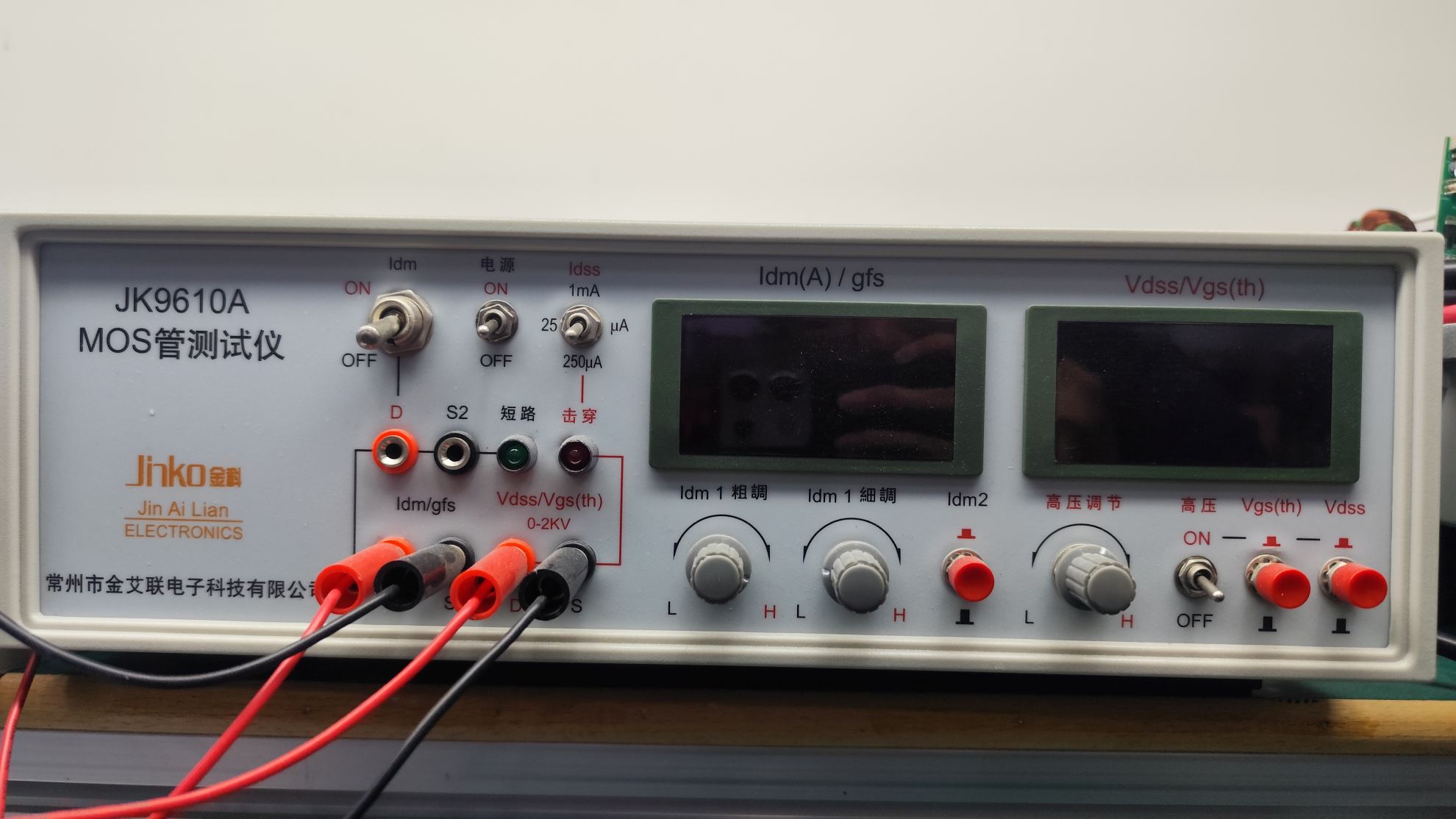
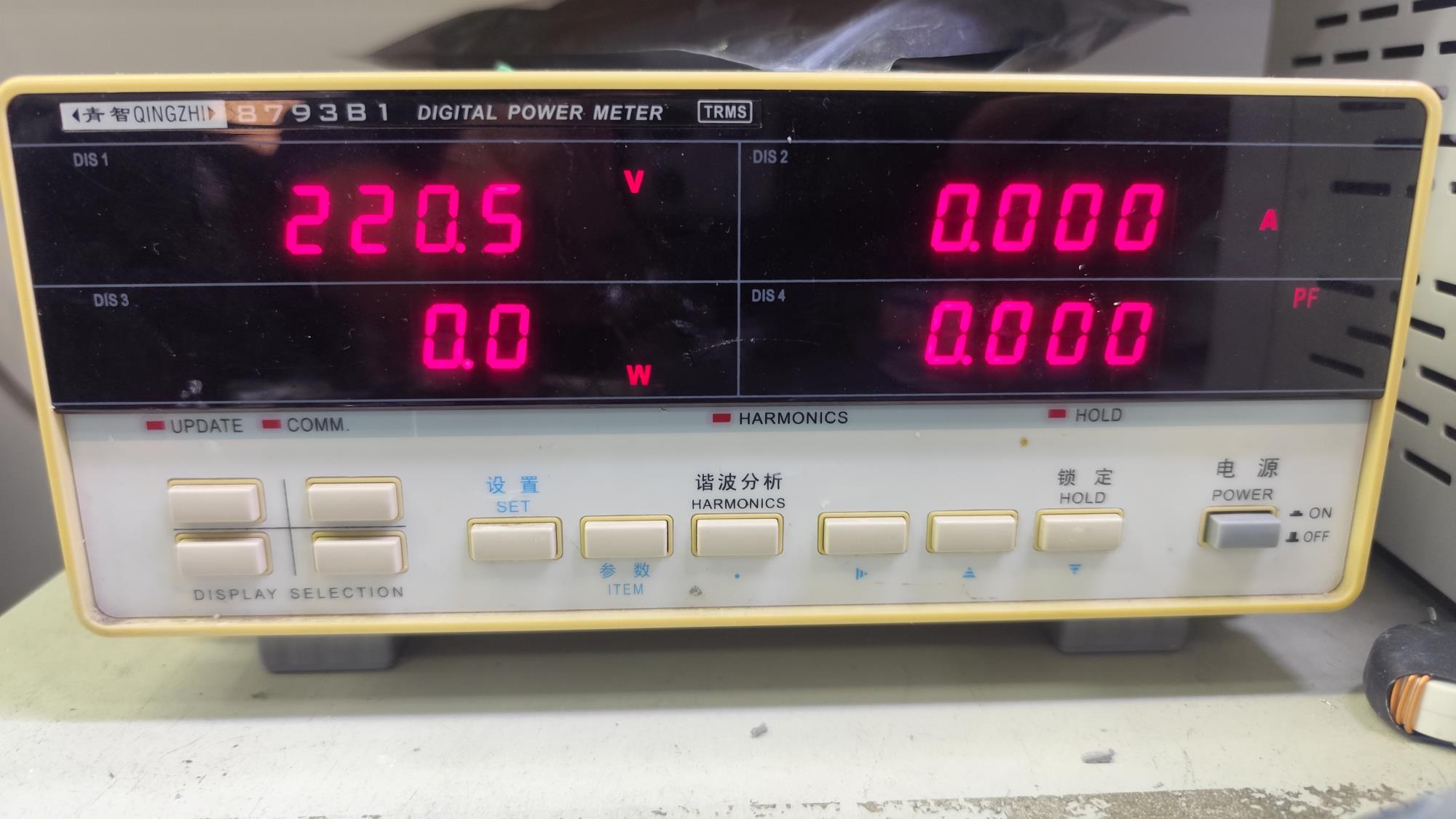
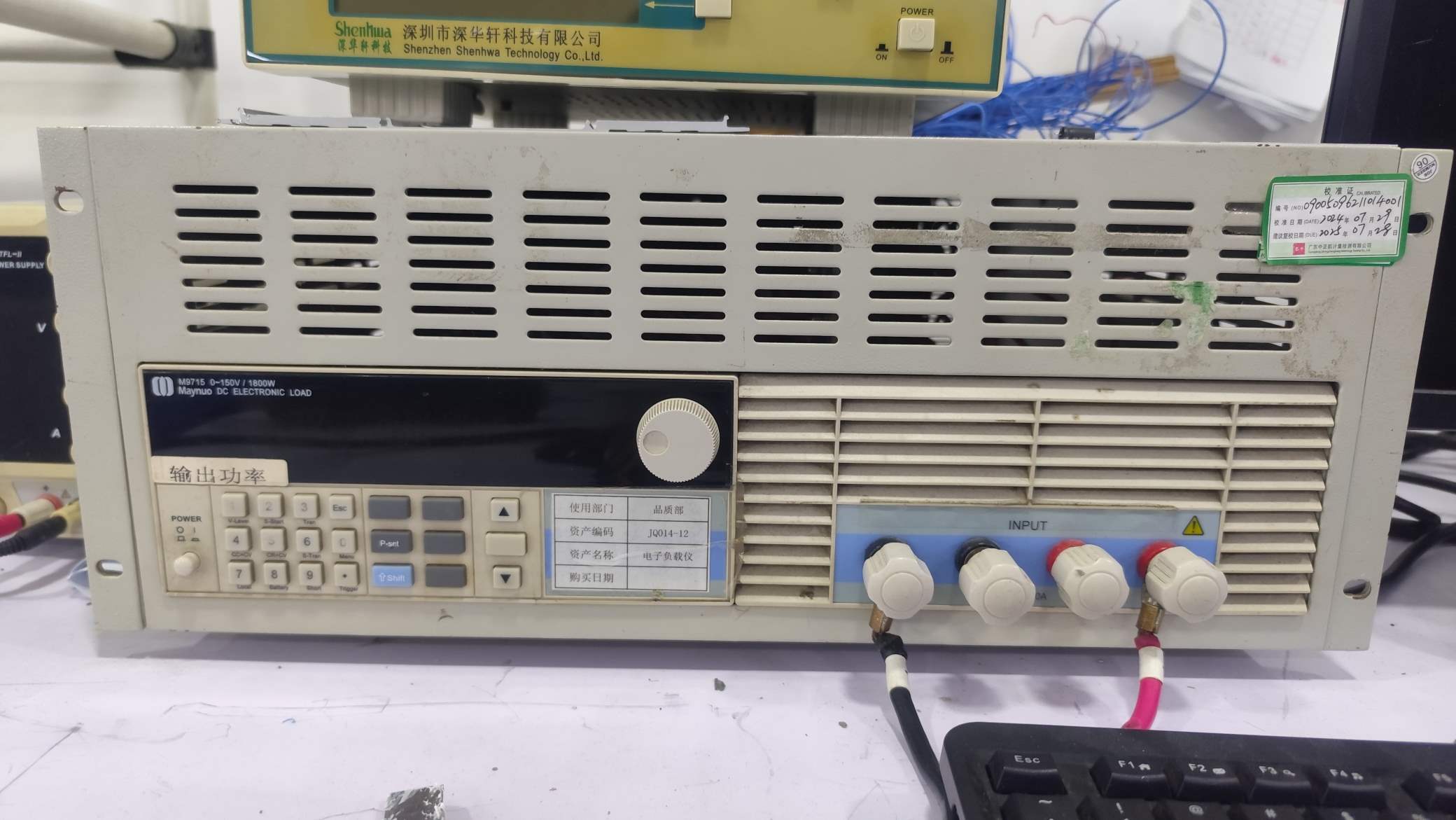
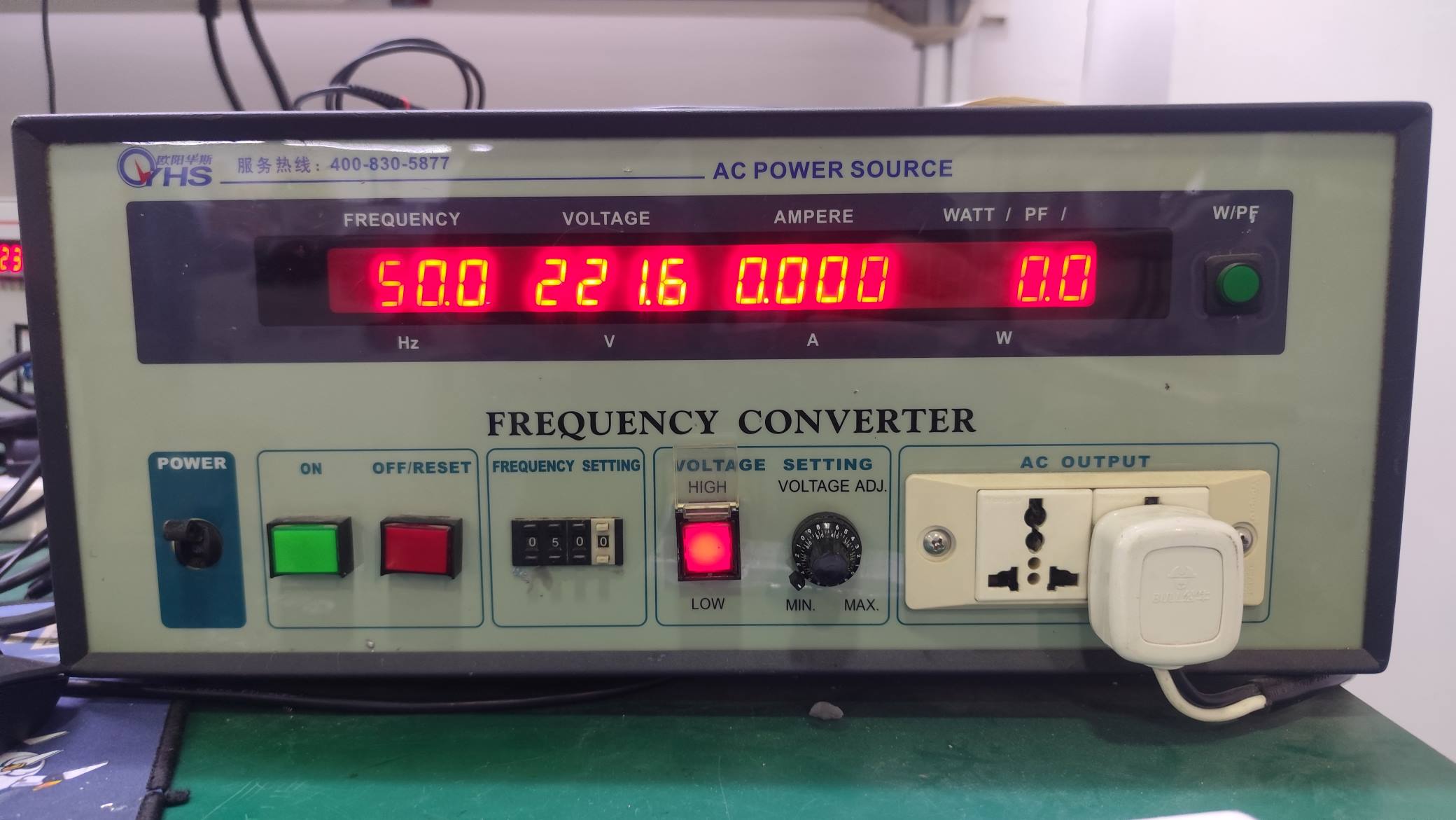
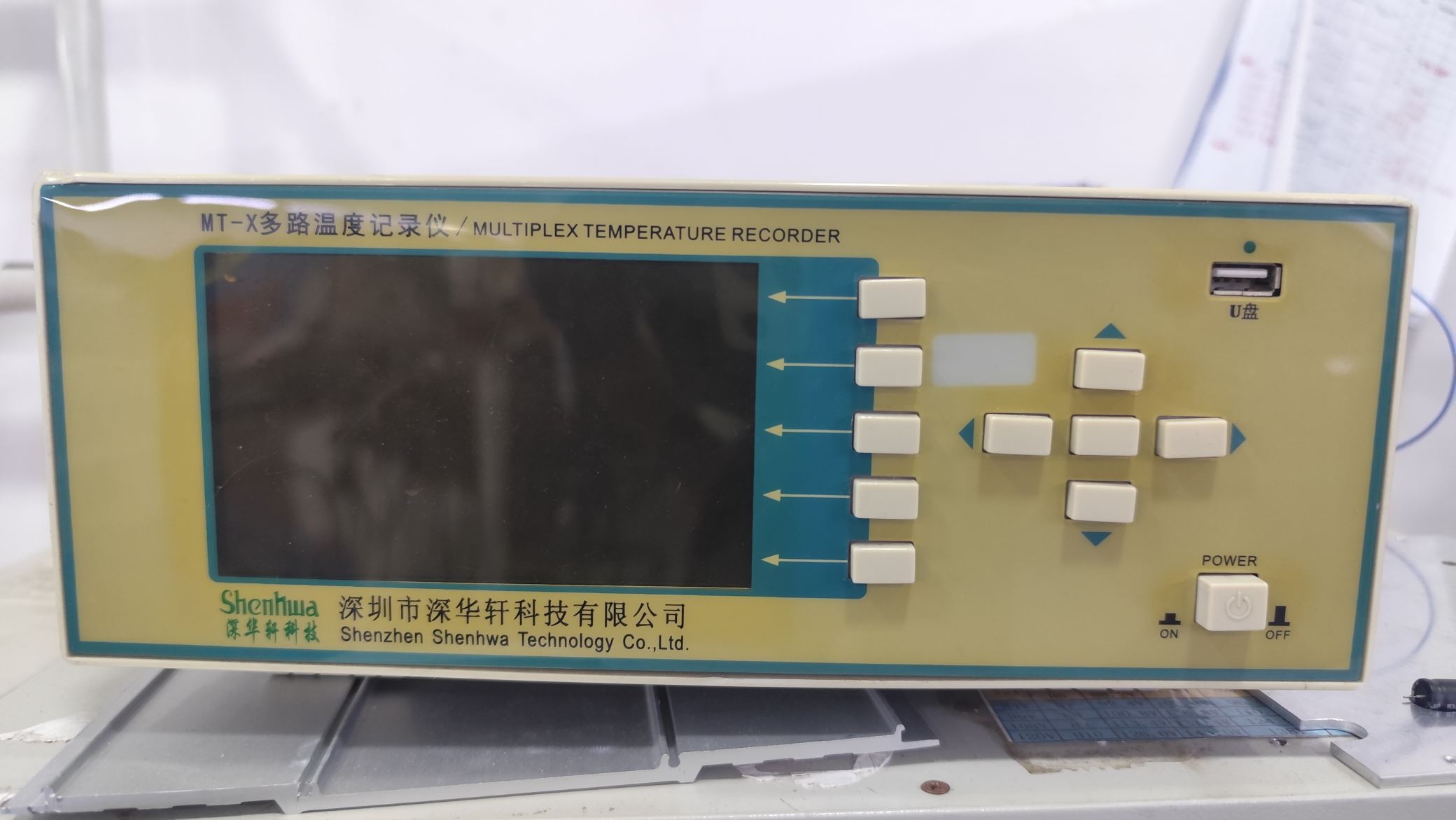
In international logistics, electric mobility, and telecommunications, regulatory compliance is a key requirement for market entry. Equipment operating on public grids or near industrial workers must adhere to strict safety guidelines to manage risk.
All VOITA power delivery solutions and converters are designed and tested to comply with major international regulatory standards, including CE, FCC, RoHS, and ISO9001. Our design criteria prioritize user safety and grid integrity:
Isolated DC-DC converters feature a complete electrical barrier (typically galvanic isolation using an internal high-frequency transformer) between the input and output stages, protecting sensitive loads from high-voltage spikes. Non-isolated converters share a common negative return pathway, offering a more compact footprint and slightly higher efficiency at a lower cost, suitable for systems where input-to-output safety isolation is not required.
We design our wireless coupling coils using high-purity Litz wire to minimize AC resistance. Combined with resonant topology circuits and Silicon Carbide (SiC) switching transistors, our systems achieve energy transfer efficiencies exceeding 93% across typical air gaps, keeping thermal losses minimal.
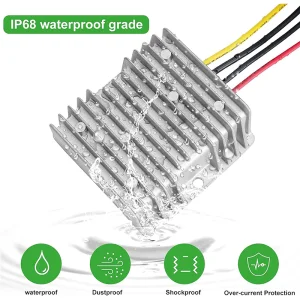
Yes, we provide OEM/ODM customization options for harsh environments. Our marine-grade and outdoor power units feature IP67 or IP68 waterproof ratings, utilizing aluminum enclosures filled with high-thermal-conductivity epoxy potting to resist moisture, salt spray, and vibration.
Our smart battery chargers feature multi-stage charging algorithms managed by an onboard MCU. They include integrated protections against reverse polarity, short circuits, over-temperature, and over-charging, automatically transitioning to float charge mode once the battery is full.
Our systems are fully certified under CE, FCC, and RoHS standards, and are manufactured in facilities operating under ISO9001 quality management guidelines to ensure consistent quality for global export.
We combine active cooling configurations, heavy-duty aluminum heatsinks, and thermal interface materials (TIM). High-efficiency components like GaN transistors further reduce overall heat dissipation inside the enclosures.
Standard custom prototyping cycles typically take 2 to 4 weeks depending on the complexity of the design. Once prototype testing is approved, bulk production is scheduled with typical lead times of 30 to 45 days, supported by our integrated supply chain in South China.
Yes, our smart battery chargers can be programmed with constant-current/constant-voltage (CC/CV) charge curves optimized for LiFePO4, Lithium-ion, and Lead-acid battery chemistries to prolong battery lifecycle.
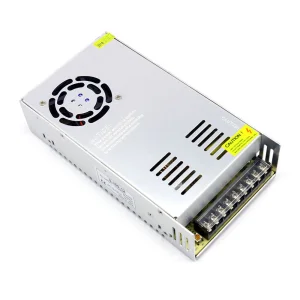
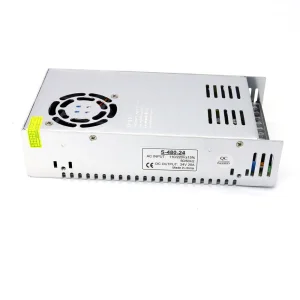
Advanced switching power modules, adjustable bench power controllers, and highly efficient buck-boost converters.