Voita Electronic
Choosing the right AC to DC Charger can be challenging. Many factors influence the decision-making process. Understanding these factors is crucial for ensuring the efficiency and safety of your devices.
When selecting an AC to DC Charger, consider the voltage and current requirements of your electronics. Different devices demand specific specifications. Failing to match these can lead to performance issues or even damage. Additionally, the charger’s design and build quality are important. A durable charger often offers better longevity.
Many options are available on the market today. However, not all chargers meet safety standards. Researching brands and reading reviews can help identify reputable products. Pay attention to warranty and customer support as well. A reliable AC to DC Charger can make a significant difference in device functionality and lifespan.
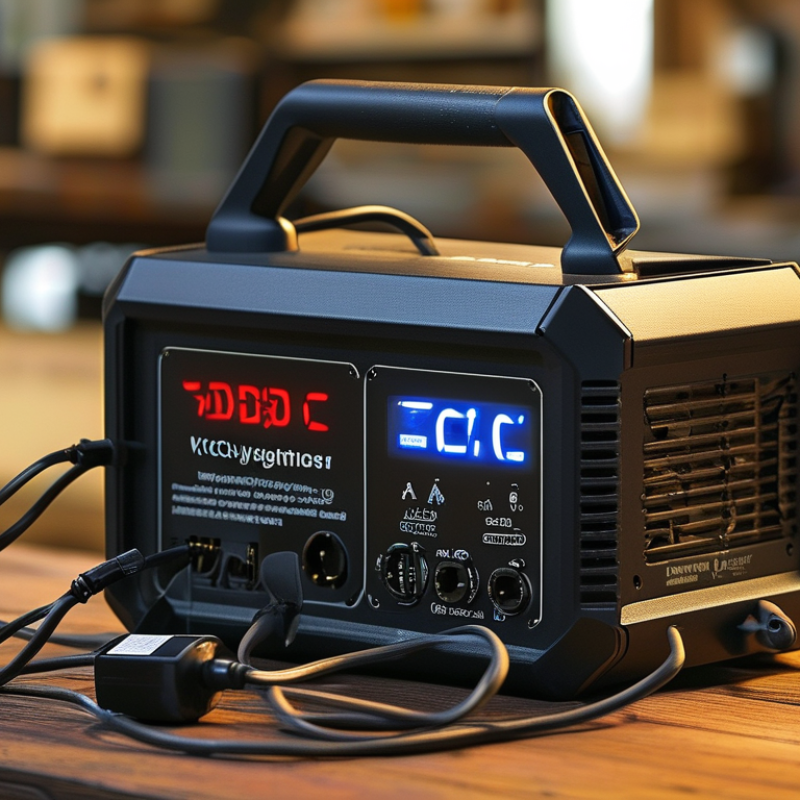
When selecting an AC to DC charger, understanding the differences between the two types is essential. AC chargers convert alternating current from a wall outlet into direct current. This conversion is vital for charging many devices, such as laptops and smartphones. The output is typically stable, which helps in preserving battery life.
DC chargers, on the other hand, deliver direct current directly to the device. They are often used for powering equipment like electric vehicles and some household gadgets. DC chargers can offer faster charging times compared to AC chargers because they bypass the conversion process. However, the compatibility with specific devices can be limiting, making it necessary to know your device's requirements.
Choosing the right charger also requires an assessment of power ratings. It's easy to overlook this detail, but using a charger with the incorrect output can harm your device. Additionally, not all chargers are created equal. Some may have more efficiency variations, leading to longer charging times or potential overheating. It’s helpful to do thorough research to understand the nuances of each type. Small mistakes can have significant consequences. Always consider these factors to ensure a steady supply of power for your devices.
When selecting an AC to DC charger, key specifications play a crucial role. Understanding these specifications can ensure compatibility and efficiency. Pay attention to the output voltage and current ratings. A charger must match or exceed the voltage of the device it powers. Using a lower voltage charger can result in inadequate performance or device damage.
Consider the efficiency rating of the charger. According to industry data, a higher efficiency rating above 85% can save significant energy over time. This not only reduces electricity costs but also minimizes heat generation, enhancing longevity. Always check for certifications such as Energy Star, which indicate adherence to energy efficiency standards.
Another critical specification is the form factor and dimensions. Ensure the charger fits your available space without cramping other devices. Chargers come in various sizes, and some may be more portable than others. Think about where you'll use it most. Additionally, the build quality affects durability. Look for chargers made from high-quality materials to withstand daily use.
When selecting an AC to DC charger, understanding industry standards and safety ratings is crucial. Organizations like Underwriters Laboratories (UL) and the International Electrotechnical Commission (IEC) provide essential guidelines. Chargers that meet these standards have undergone rigorous testing. For instance, UL certification ensures that products can withstand various environmental conditions and prevent electrical hazards. This certification process reduces the risk of product failure, which is a concern for many consumers.
Safety ratings also provide insight into a charger’s efficiency. The Energy Star rating indicates products that meet energy-saving criteria. According to the U.S. Department of Energy, devices with Energy Star ratings can save consumers 30% on energy costs. Look for chargers with multiple safety features such as short-circuit protection and over-voltage protection. These features can help prevent accidents and ensure longer product lifespan.
However, it’s vital to consider that not all products labeled with safety ratings perform equally well. Some chargers might meet minimum standards but still fail under heavy use. Users should pay attention to user reviews and expert opinions. A charger may pass safety tests but still have varying levels of performance. Conducting thorough research can help in making an informed decision.
When selecting an AC to DC charger, battery compatibility is crucial. Different batteries require specific voltages and currents. According to a report by the International Energy Agency, mismatched chargers and batteries can lead to reduced performance and even battery damage. It’s essential to check the specifications of both the charger and the battery before making a choice.
Charging speed is another critical factor. Various chargers provide different charging rates. A study from the Battery University states that faster charging can come with trade-offs. High-speed charging may generate excess heat, which can degrade battery life. It's vital to balance speed and safety. Some users may prioritize quick charging without considering long-term effects.
Moreover, not all chargers are created equal. Many users overlook the importance of universal compatibility. A charger designed for a wider range of batteries can offer more versatility. This reduces the need for multiple chargers. However, this flexibility might mean sacrificing some specific performance parameters. Understanding your specific needs can prevent future complications and ensure efficient use of charging resources.
| Charger Type | Input Voltage Range | Output Voltage | Output Current | Charging Speed | Battery Compatibility |
|---|---|---|---|---|---|
| Basic Charger | 100-240V AC | 5V DC | 1A | Slow | Lithium-ion, Nickel-metal Hydride |
| Smart Charger | 100-240V AC | 5V - 12V DC | 2A | Moderate | Lithium-ion, Lithium Polymer |
| Fast Charger | 100-240V AC | 5V - 15V DC | 3A | Fast | Lithium-ion, Lithium Polymer, Lead Acid |
| Universal Charger | 100-240V AC | Adjustable (5V - 20V DC) | Up to 5A | Very Fast | Multiple battery types |
When considering an AC to DC charger, understanding cost versus performance is crucial. A recent industry report highlighted that up to 75% of users struggle with balancing these two factors. Initial costs may seem appealing, but performance efficiency often matters more. For example, a charger with better conversion rates can save users money on electricity over time.
Importantly, charging speed and battery longevity are influenced by the charger’s quality. Research indicates that a high-performing charger can prolong battery life by up to 30%. Users frequently overlook this aspect, focusing solely on upfront costs. Cheaper chargers may lead to higher replacement rates and greater energy waste.
Professional guidance recommends using chargers that meet specific efficiency standards. The Department of Energy suggests looking for energy-efficient models to ensure long-term savings. While it might be tempting to choose the cheapest option, investing in a reliable charger enhances overall performance. Making an informed choice based on reliability can prove crucial in the long run.
: Mismatched chargers and batteries can lead to reduced performance and potential damage. Always check specifications.
High-speed charging may generate heat that degrades battery life. Balance speed with safety to maintain longevity.
No, many chargers vary in compatibility and performance. Some offer universal compatibility, but may sacrifice specific performance.
Performance efficiency often matters more than initial cost. A better charger can save money on electricity over time.
Yes, a good charger can prolong battery life by up to 30%. It's important to consider long-term benefits.
Cheaper chargers may lead to more replacements and energy waste. Users often overlook these long-term costs.
Look for chargers that meet energy efficiency standards. Professional guidance can help make an informed decision.
Fast chargers may save time but could harm battery longevity. It's vital to think about overall battery health.
Assess specific requirements and consider performance features. Understanding your needs helps avoid complications later.
Many focus on upfront costs and overlook potential long-term expenses, which can affect performance and durability.
Choosing the right AC to DC Charger involves understanding the fundamental differences between AC and DC chargers, as well as knowing the key specifications to prioritize. When selecting an AC to DC Charger, it is essential to consider industry standards and safety ratings, which ensure that the charger meets necessary performance and safety benchmarks. Additionally, compatibility with your battery type and the charging speed it offers are crucial factors that can significantly impact your overall charging experience.
In evaluating your options, balancing cost and performance is vital. A higher upfront investment could lead to better efficiency and longer lifespan, making it worthwhile in the long run. By taking these aspects into account, you can make an informed decision that aligns with your specific needs for an AC to DC Charger, enhancing the functionality and longevity of your devices.
